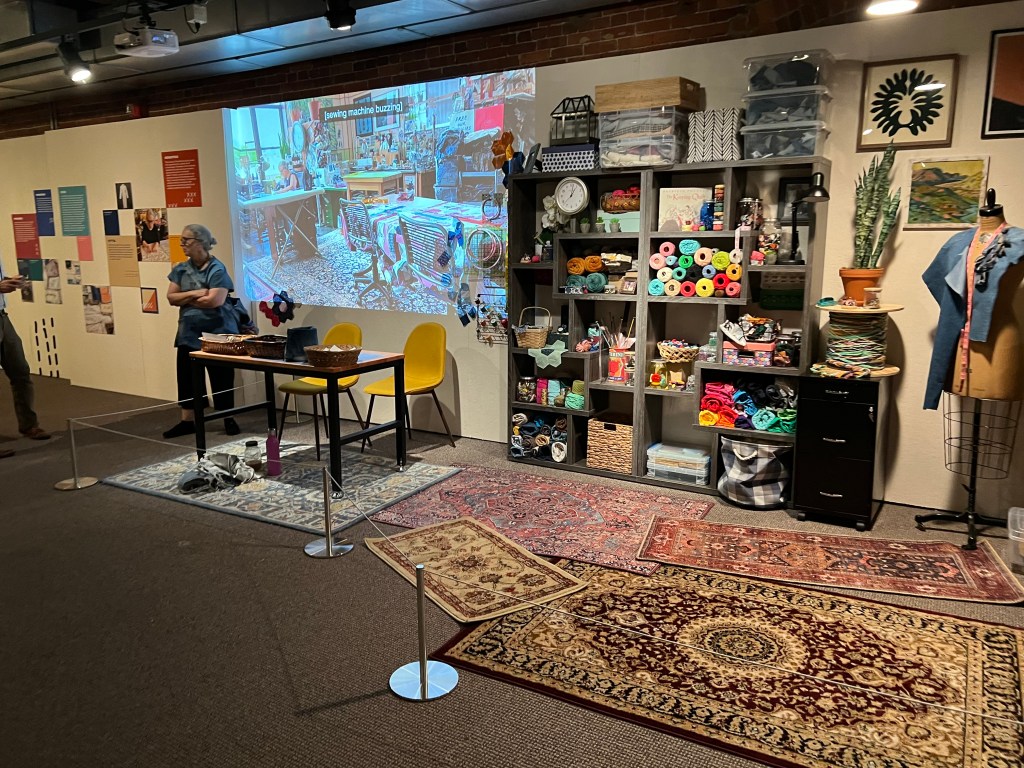
The Heinz History Center’s Rauh Jewish History Program & Archives will celebrate the Jewish holiday of Purim with a one-night only, participatory experience that blends hand-crafted art and tradition.
Purim commemorates the salvation of the Jewish people in the ancient Persian empire. This is a joyous occasion that is often celebrated with storytelling, gifts, and festive meals.
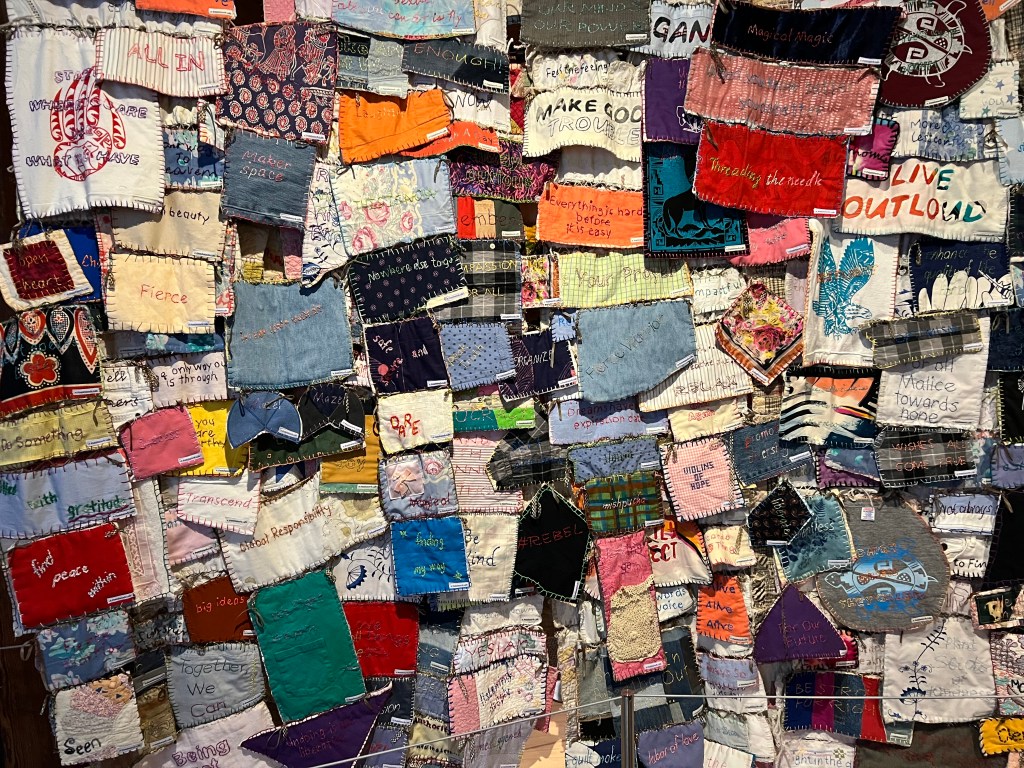
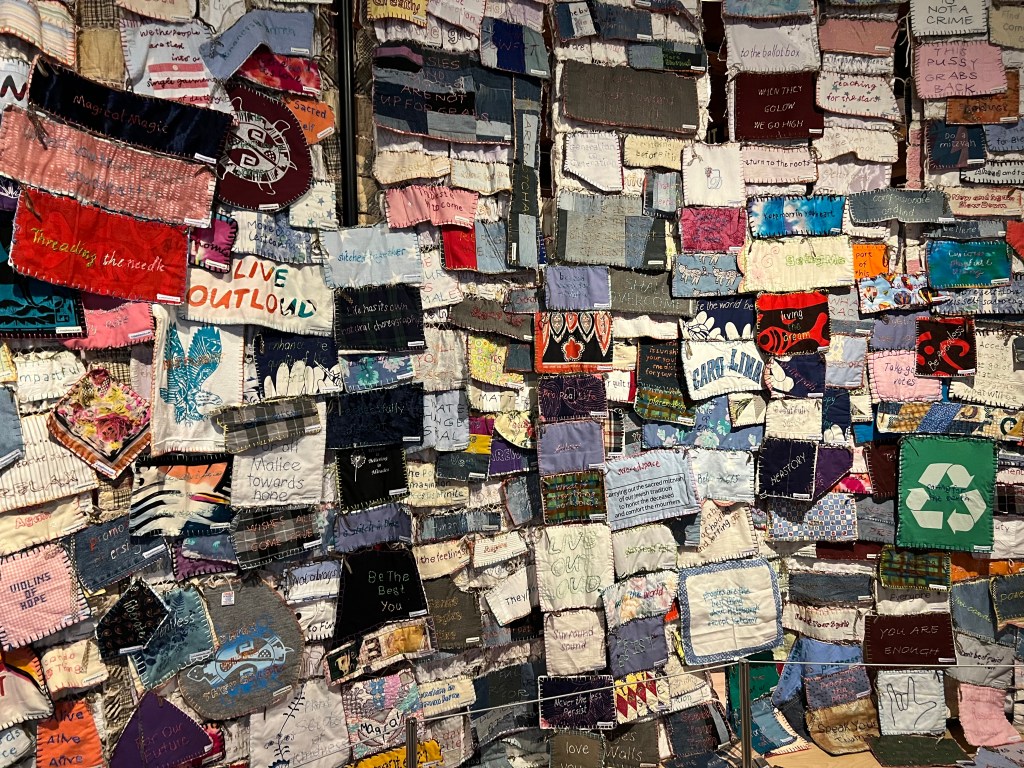
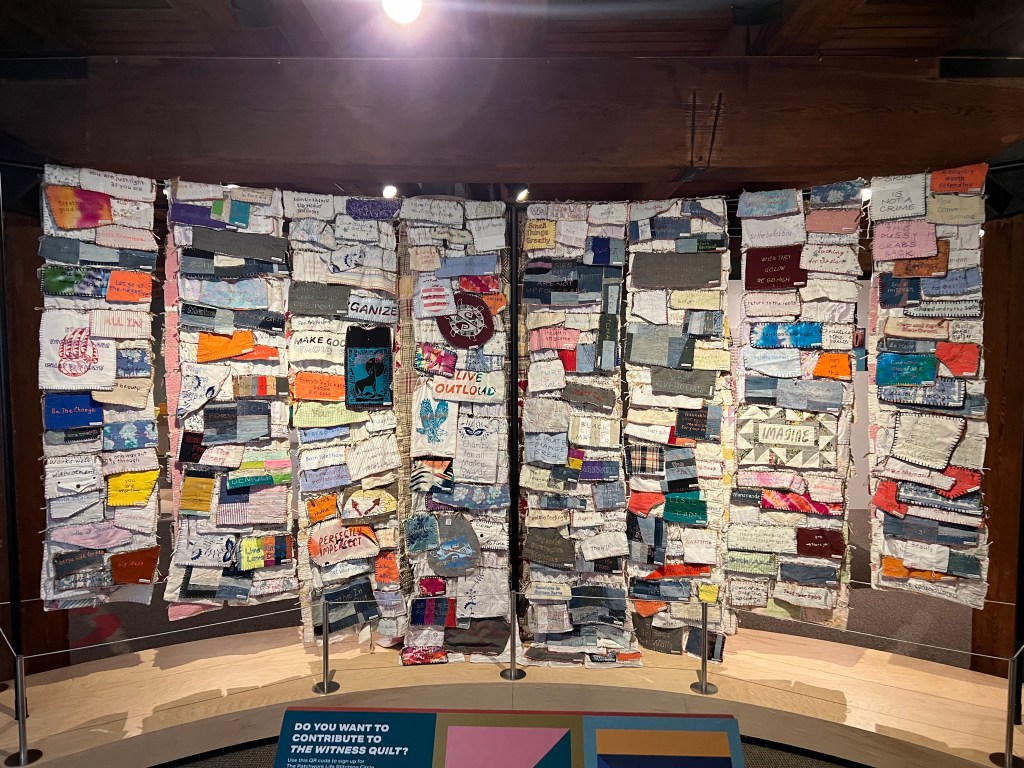
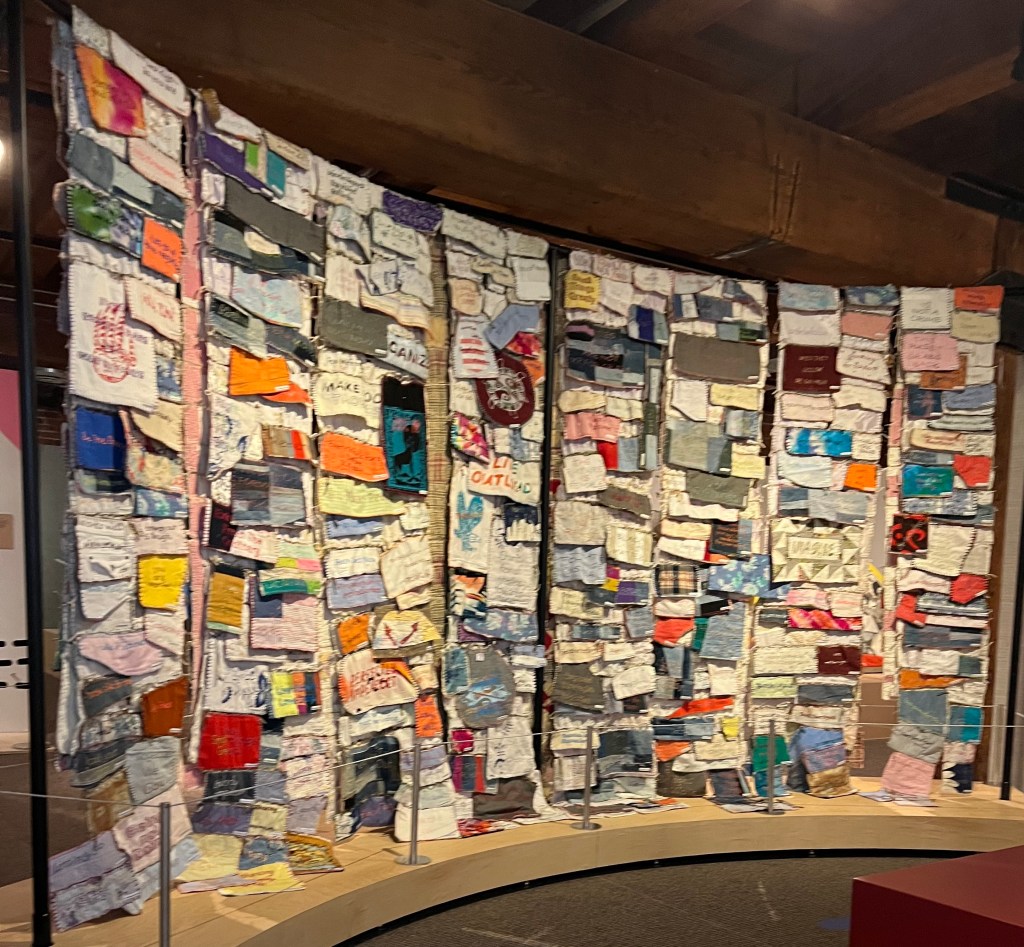
Join artist Olivia Devorah as they delve into the history of the holiday from the biblical book of Esther and view traditional texts in a new light, taking inspiration from “The Witness Quilt.”
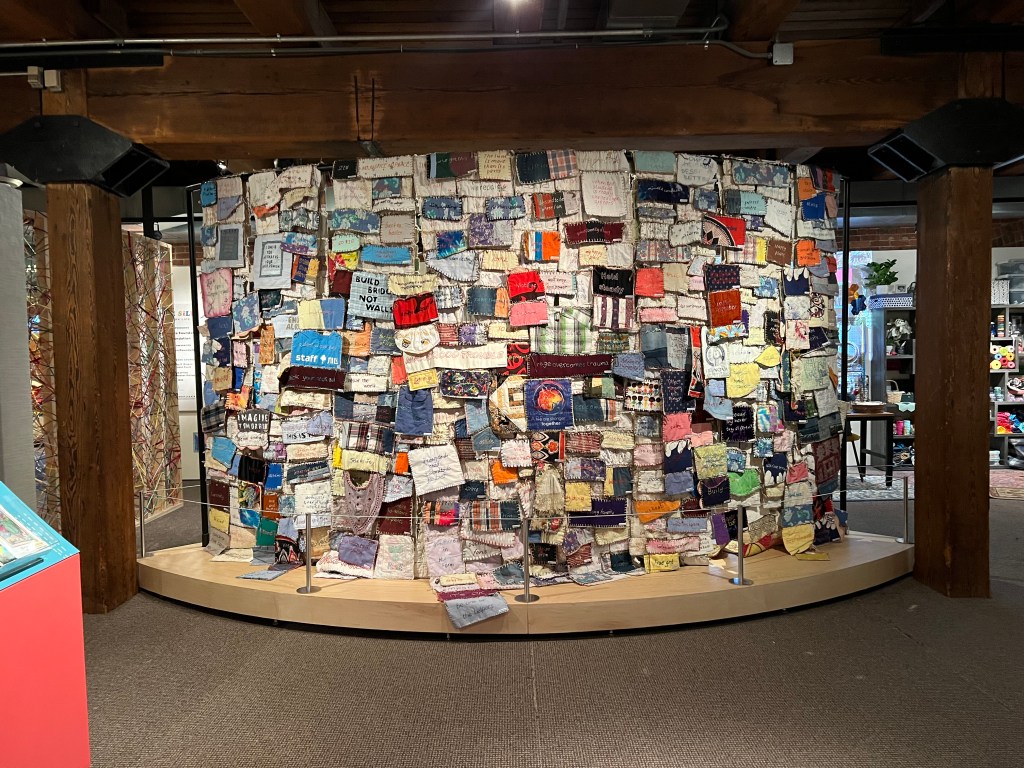
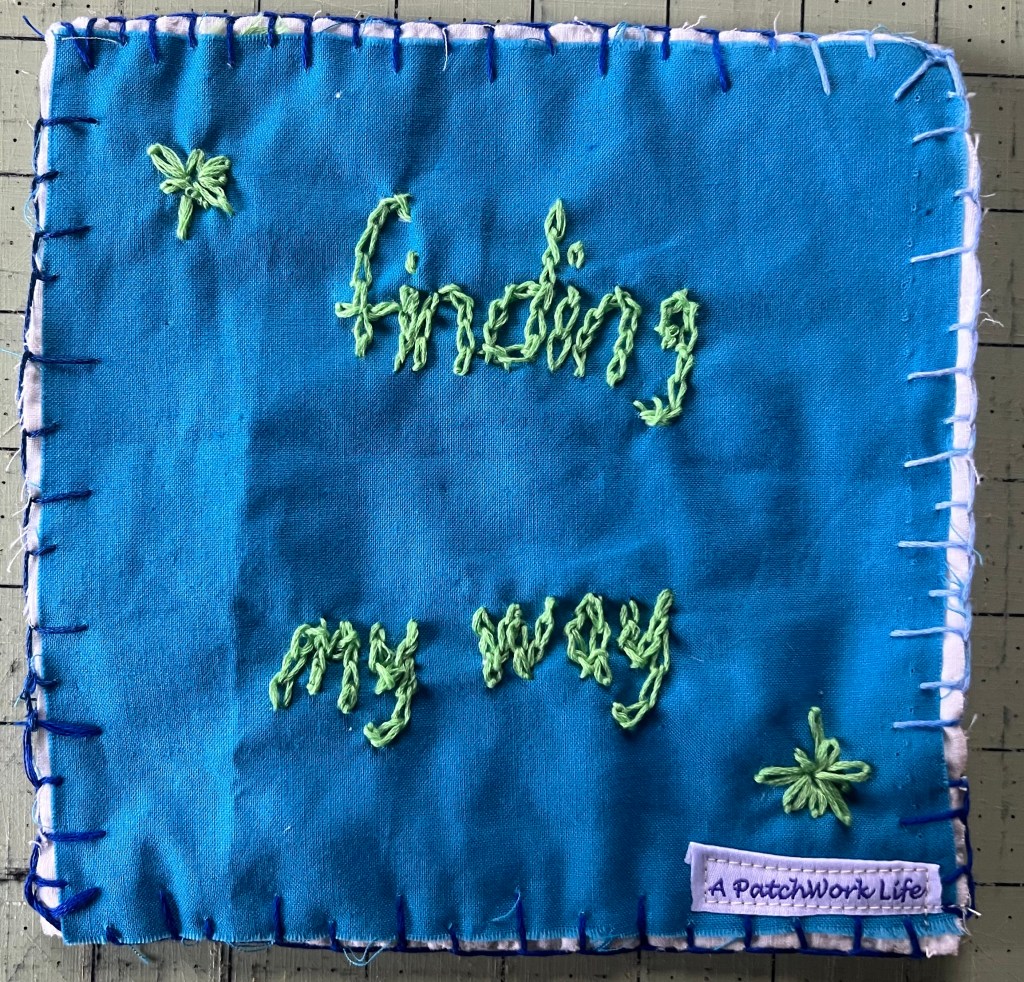
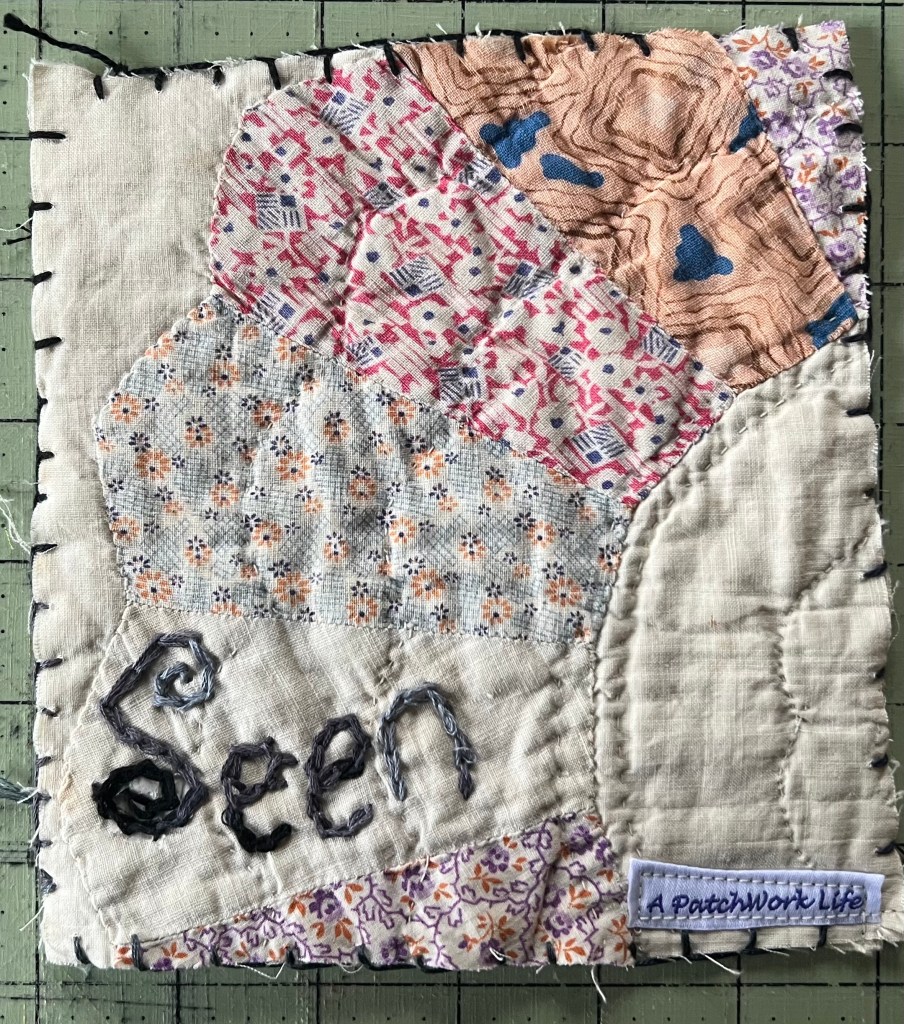
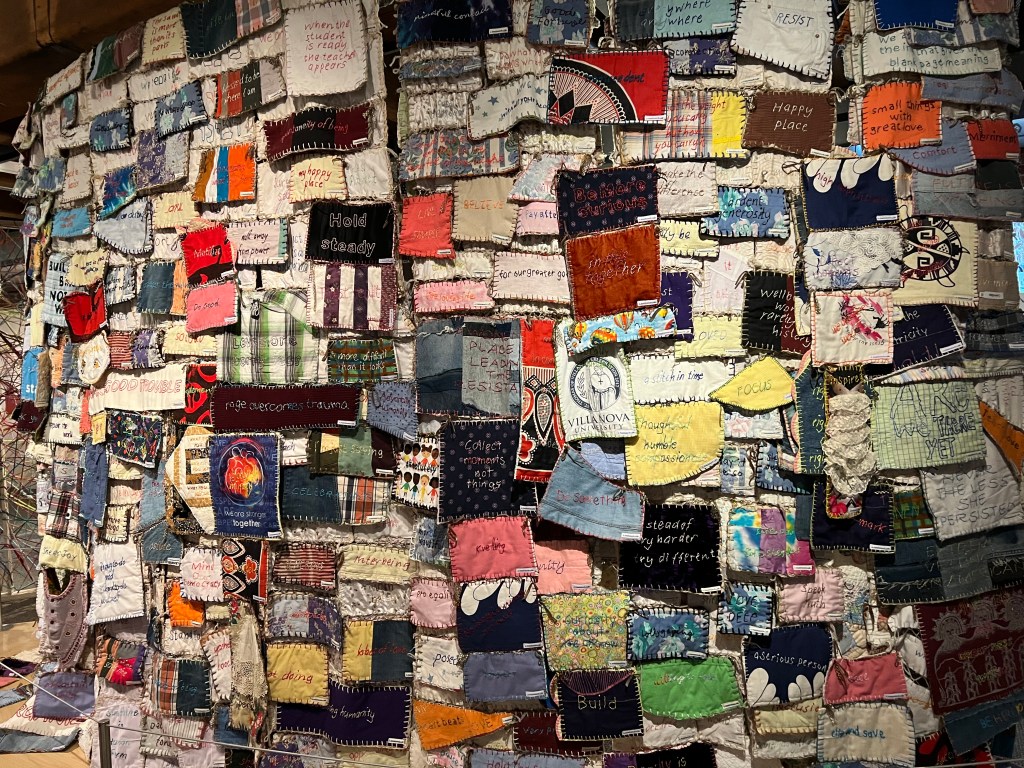
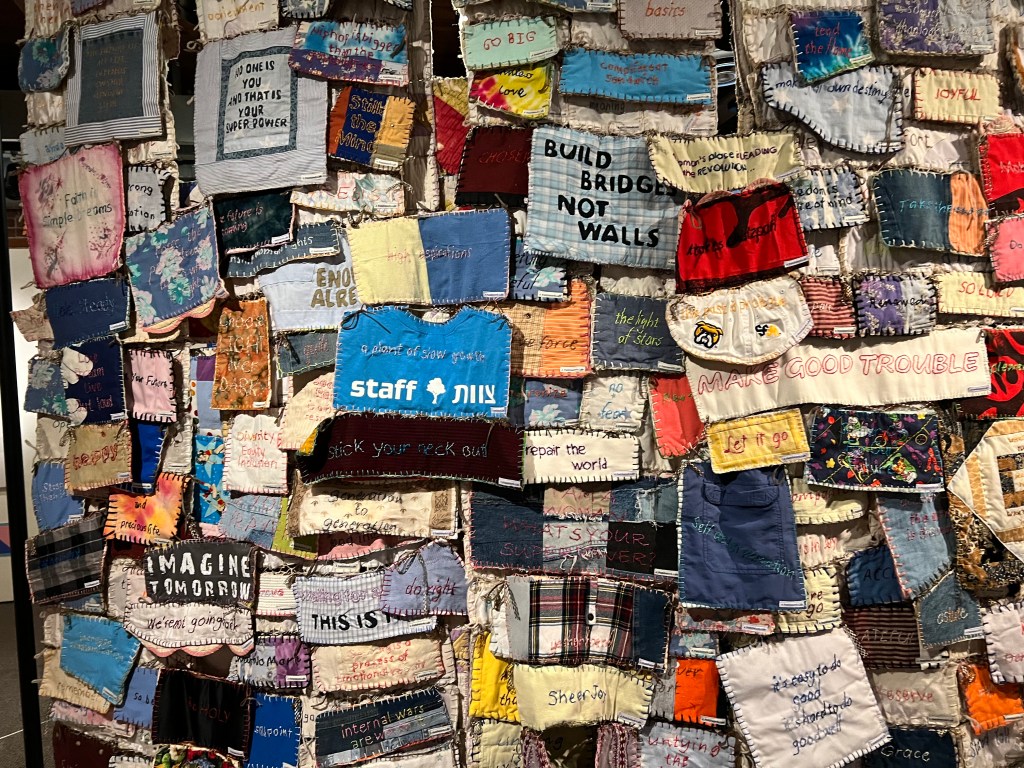
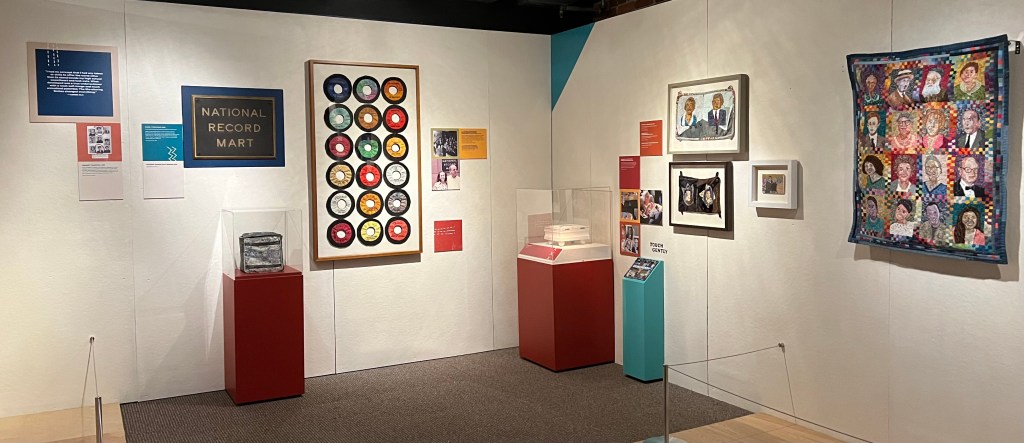
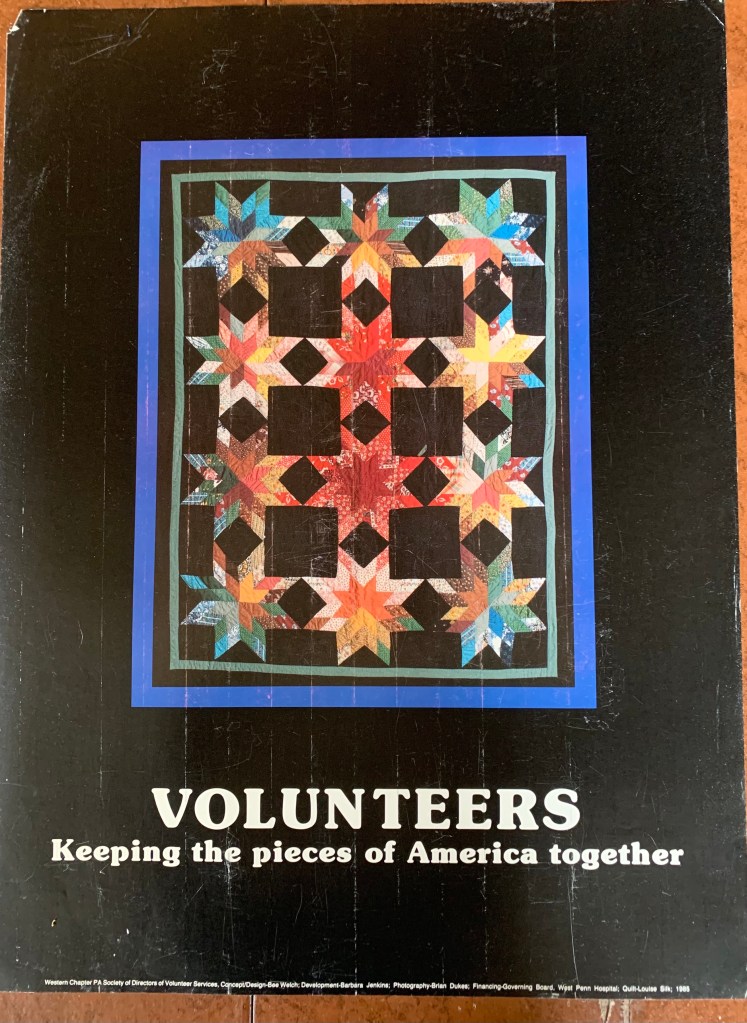
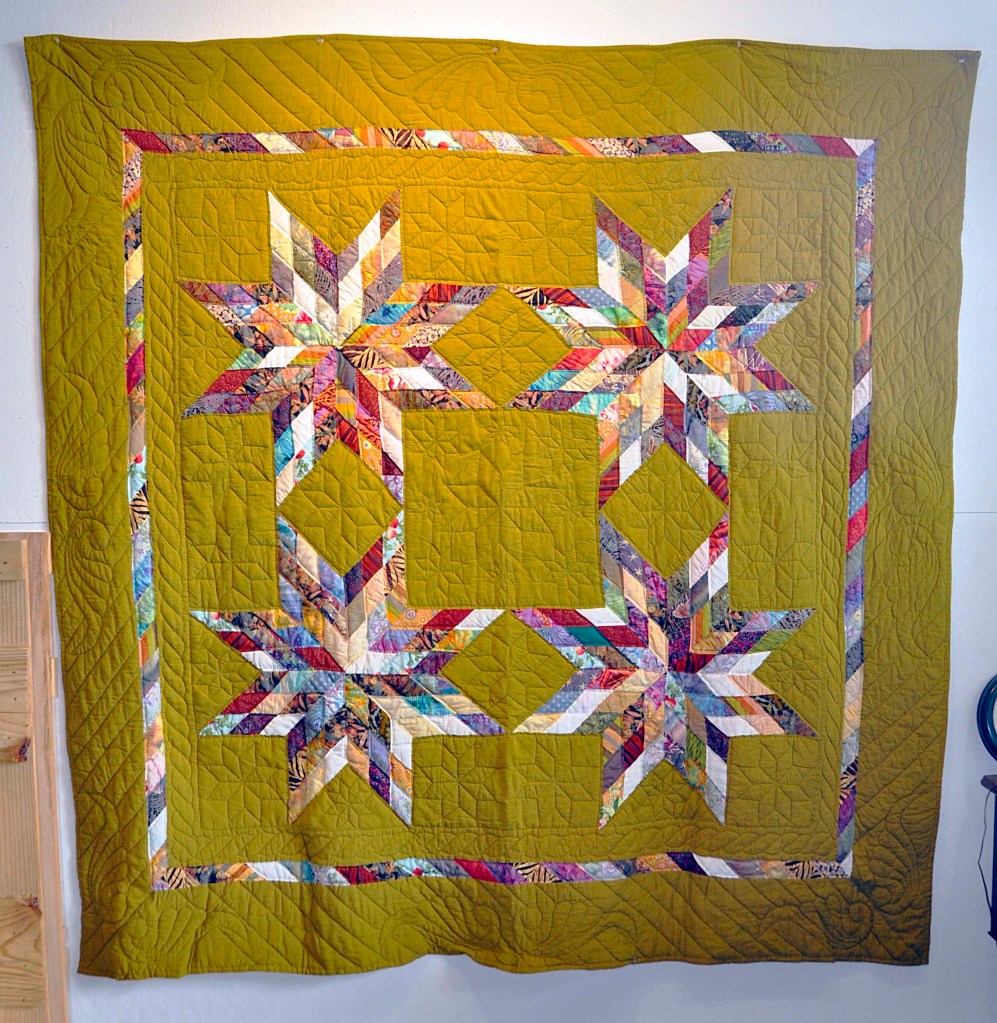
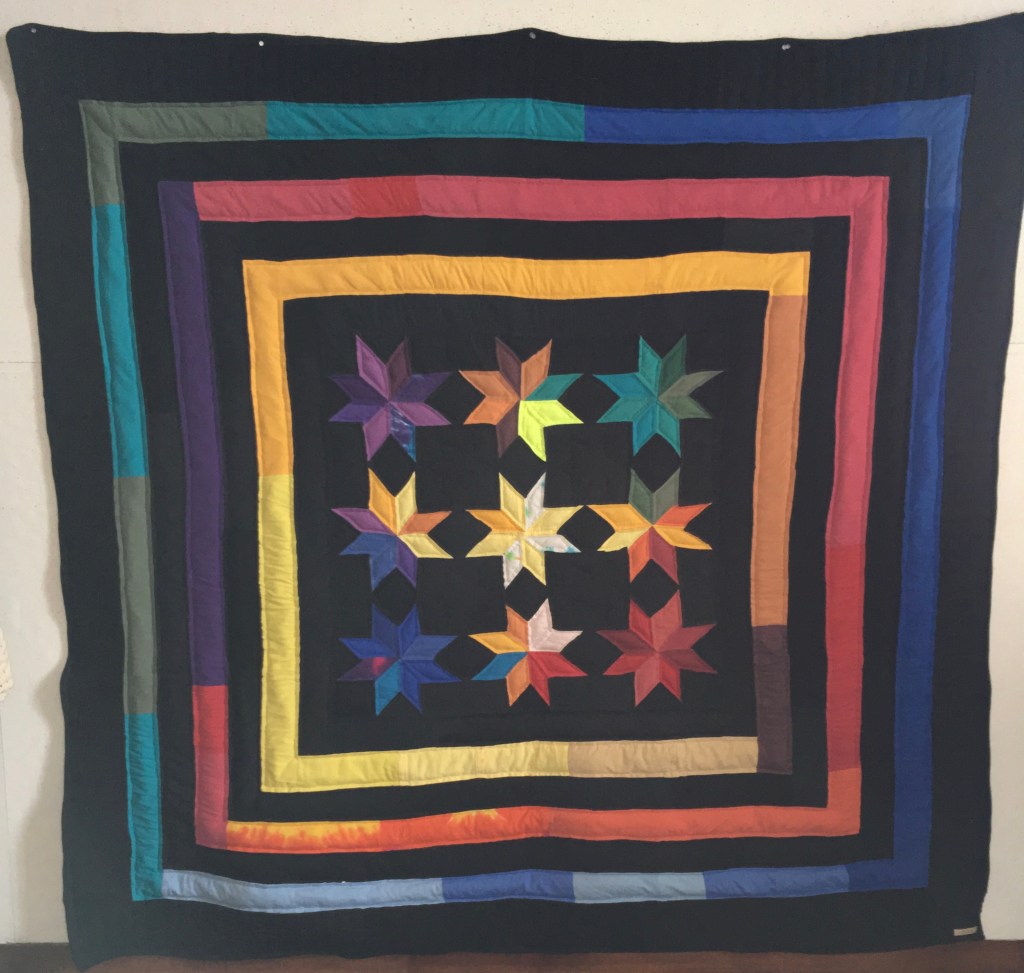
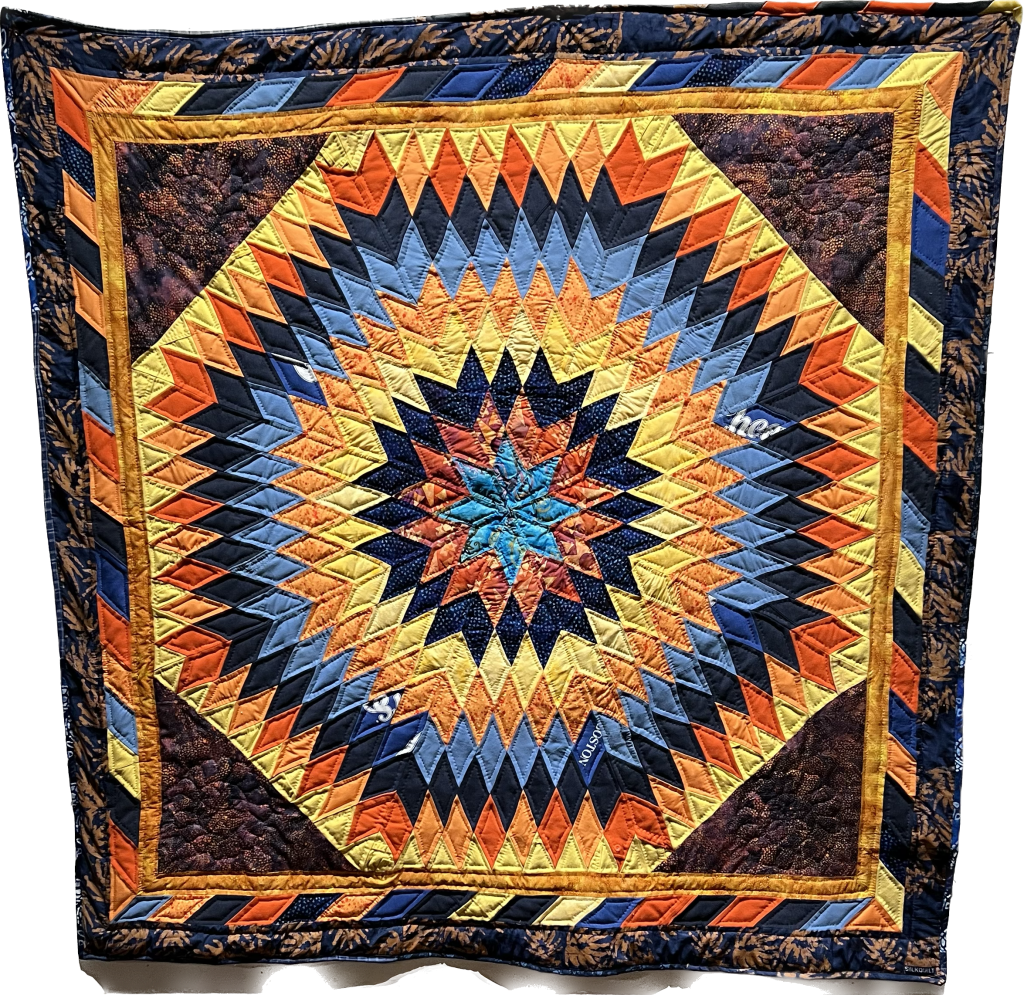
Inspired by the rich colors, textures, and life stories showcased in the Louise Silk: A Patchwork Life exhibition, the Gut Yontif: A Patchwork Holiday Experience series invites emerging artists to reimagine the themes of Sukkot, Chanukah, Tu B’Shvat, and Purim in new works of art.
Often said after the evening service that marks the start of a Jewish holiday, Gut Yontif is a Yiddish greeting that means “have a good holiday!”
To celebrate the UNMAKING of THE WITNESS QUILT, as part of Louise Silk: A Patchwork Life, I offer the ritual of the RED STRING. The Red String offers protection. Red attracts and impedes negative forces, converting the darkness of judgement into the mercy of light. This creates a forcefield that diverts the evil eye.
In the traditional Buddhist practice a Lama ties a knot in the cord, blows a mantra into it, and makes a blessing. This allows the student to be in continual contact with the teacher. From the Jewish tradition, there is a tomb on the road where our biblical mother, Rachel, died giving birth to her second son, Benjamin. In her honor, a red string from this tomb is embedded with protective powers, cut into bracelet-sized lengths, and then given out. In Kabbalah, the Red String is worn on the left hand to convert negative forces from this physical point of entry, the left wrist, into good fortune, spiritual connection and protection.
To create your Red String Barrel Knot Bracelet, set an intention that works for you. Is it to prevent a mishap? or identify a desire? or to protect against a fear? or to bestow a blessing? Be conscious. Be intentional. Be honest. Intention is your power for whatever you need in moment: protection, peace, abundance and/or grace.
Here is video instruction for an Adjustable Red String Barrel Knot Bracelet:
Take your length of cord and cross the tails over, creating a loop roughly the size of your fist.
Bring the right tail back on itself. Bring the tail down to create a loop. Take the tail underneath all the cords. Wrap it around all the cords three times. Bring the tail up through the loop. Pull firmly to form the knot allowing the cord to move through it. One knot completed.
Turn over the bracelet and repeat to create using the second tail to create a second knot. Tighten the knot, the two knots will move further apart as you tighten. Firm up both knots making sure the cord slides freely.
Trim off the excess. Carefully melt the end to itself, being sure not to catch the main cord.
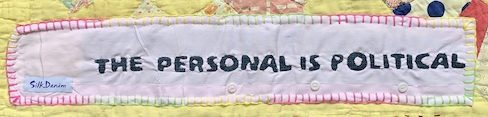
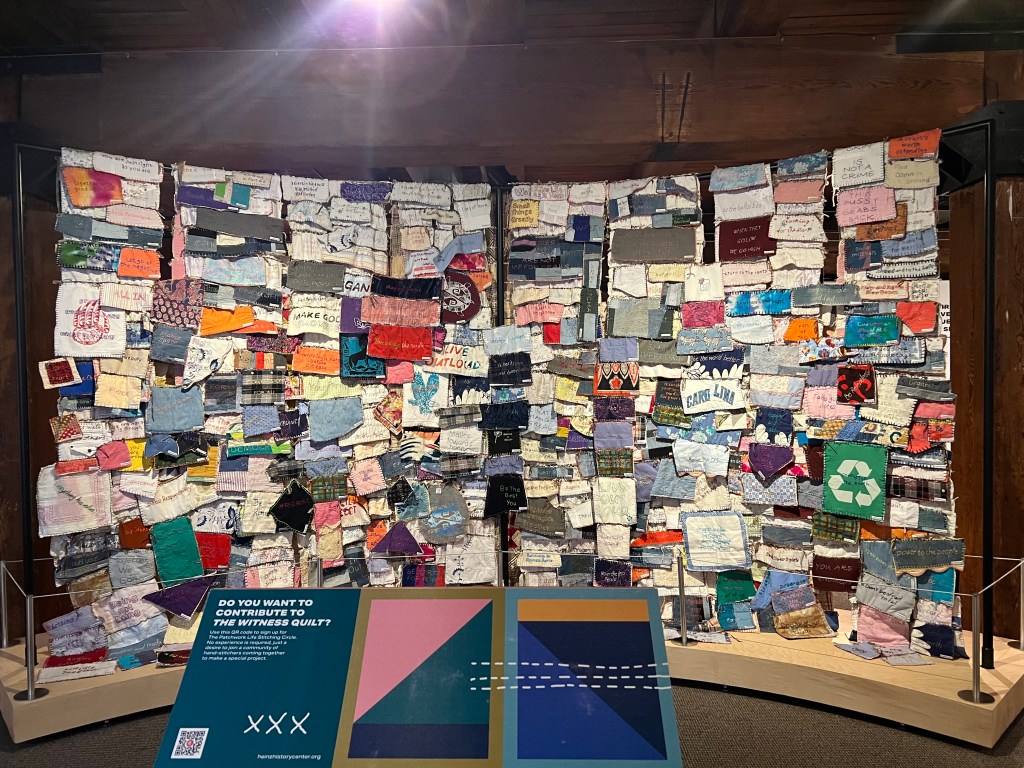
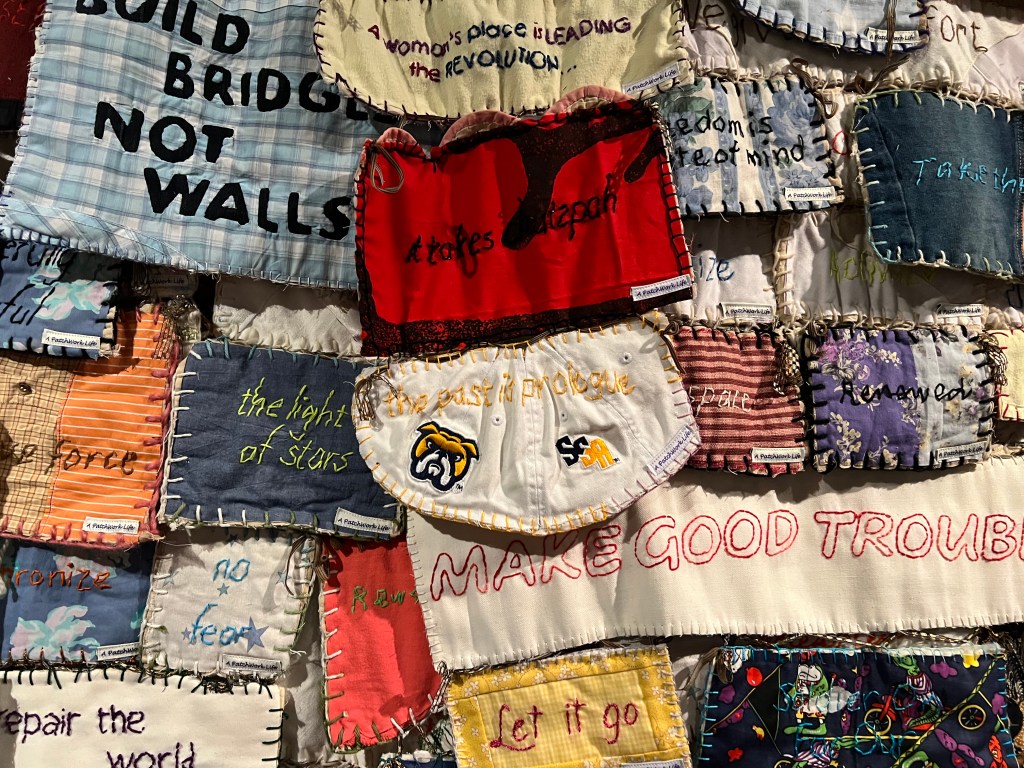
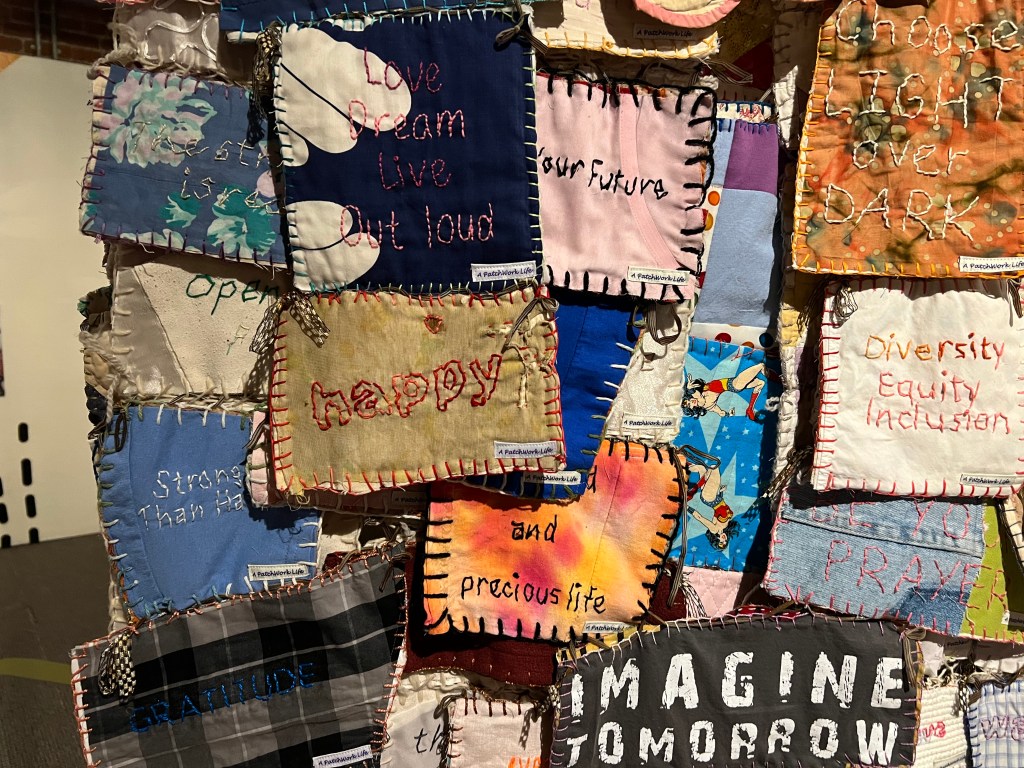
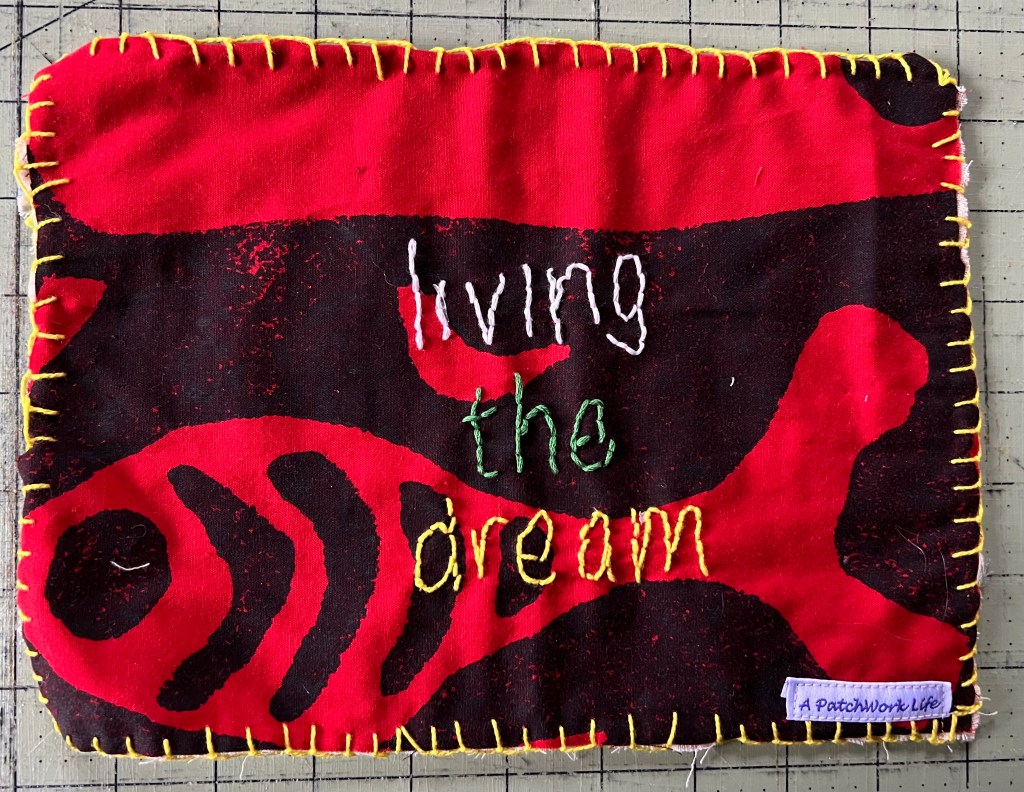
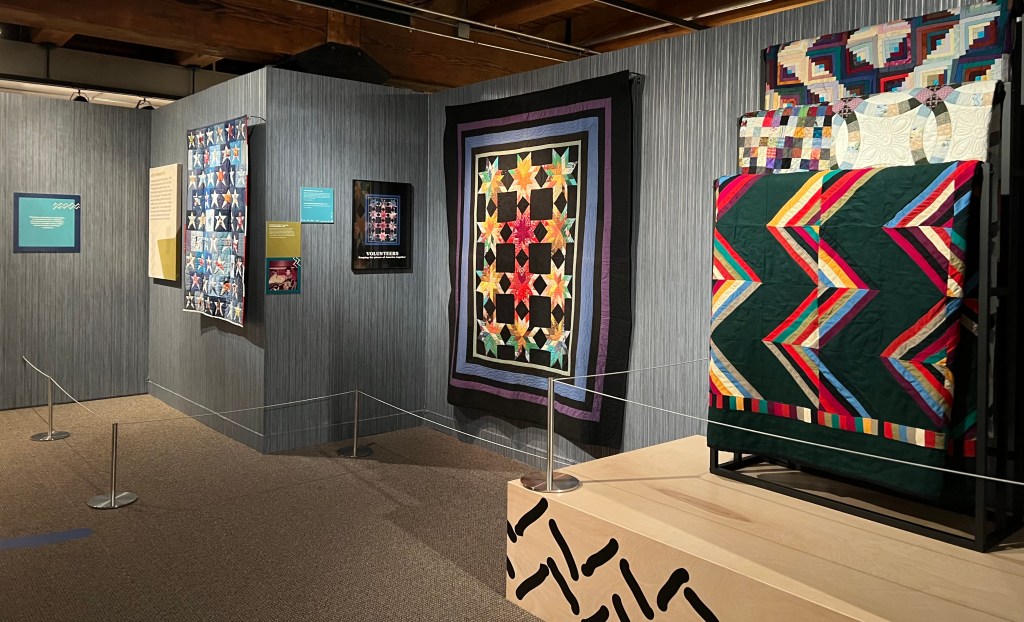
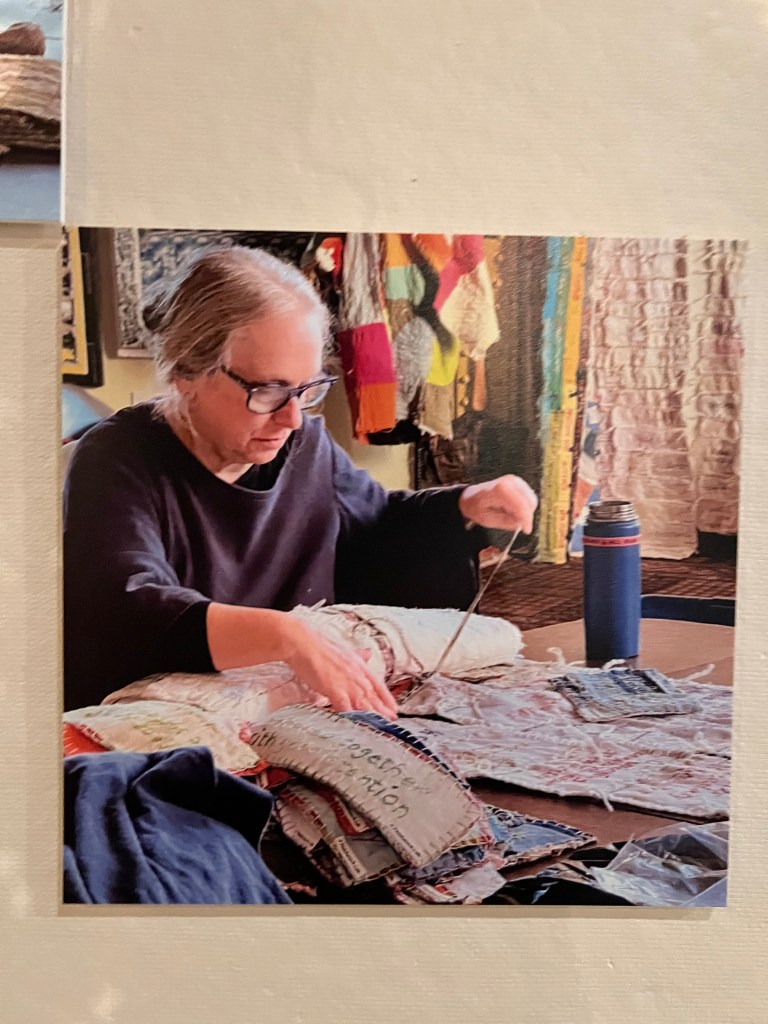
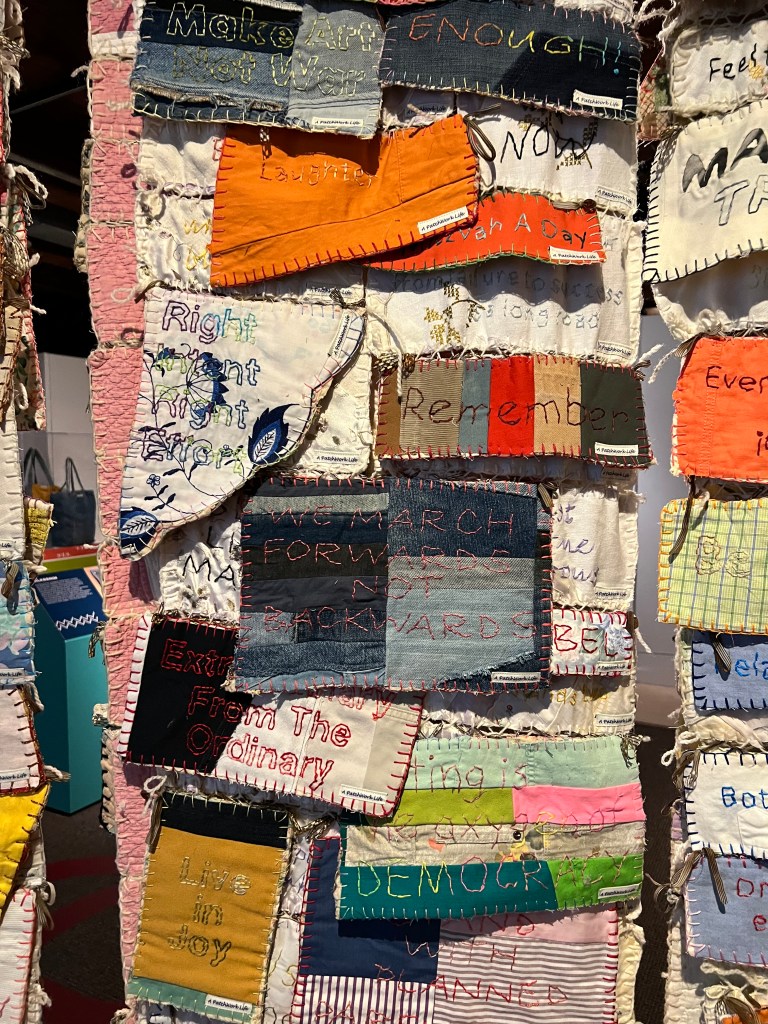
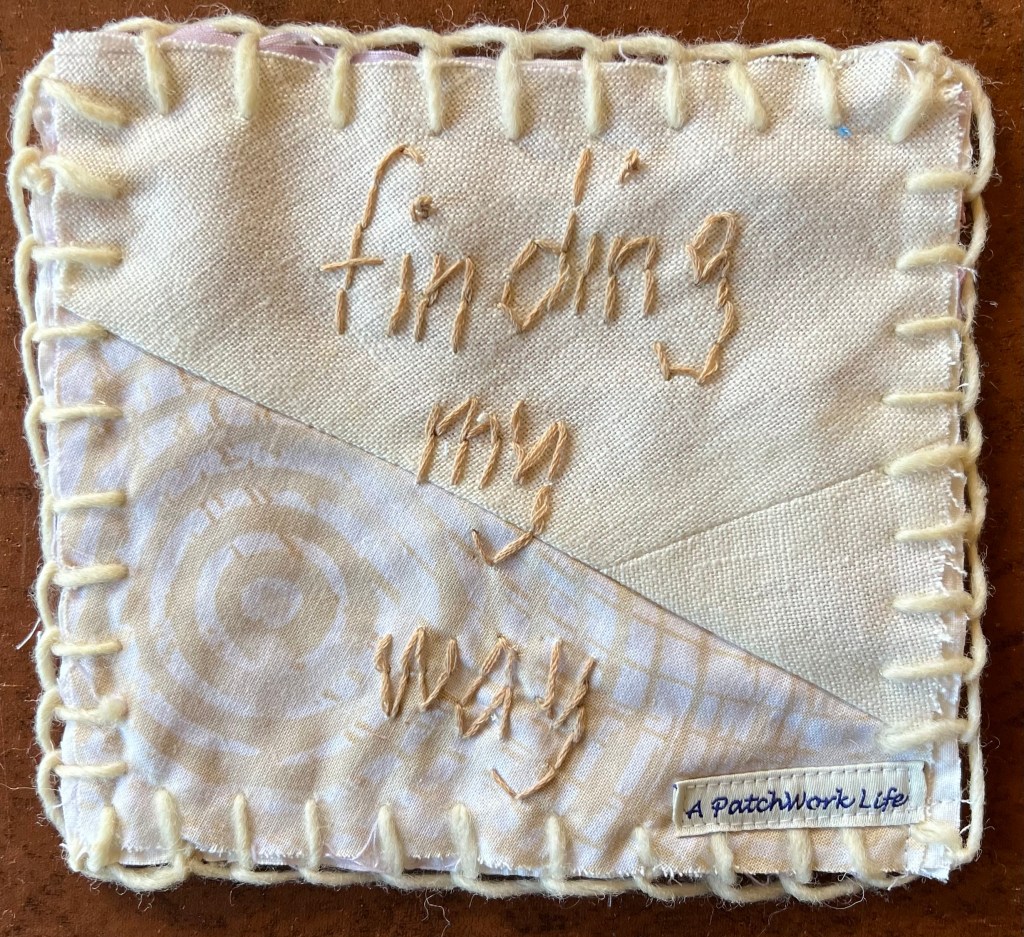
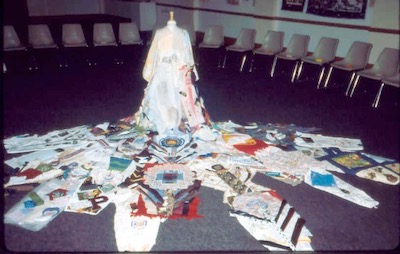
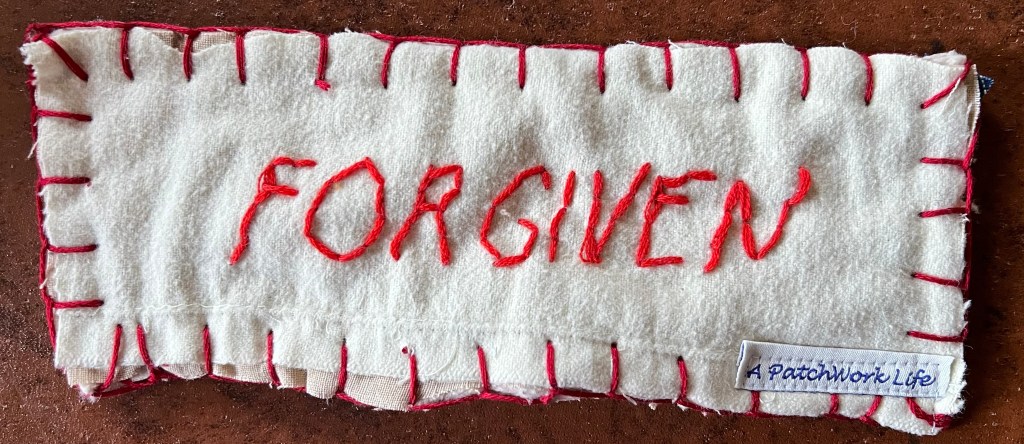
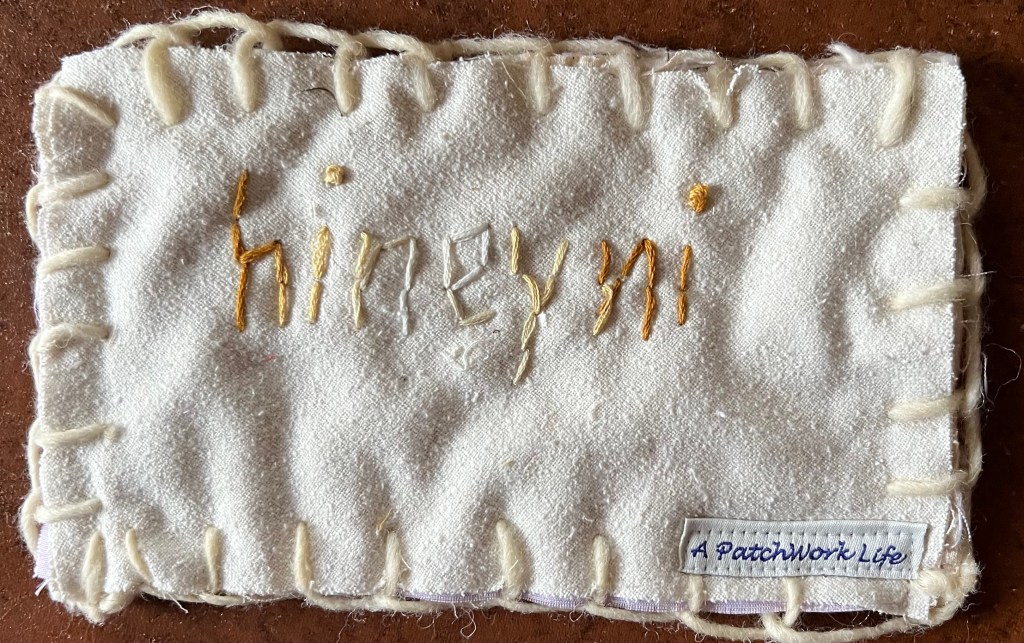
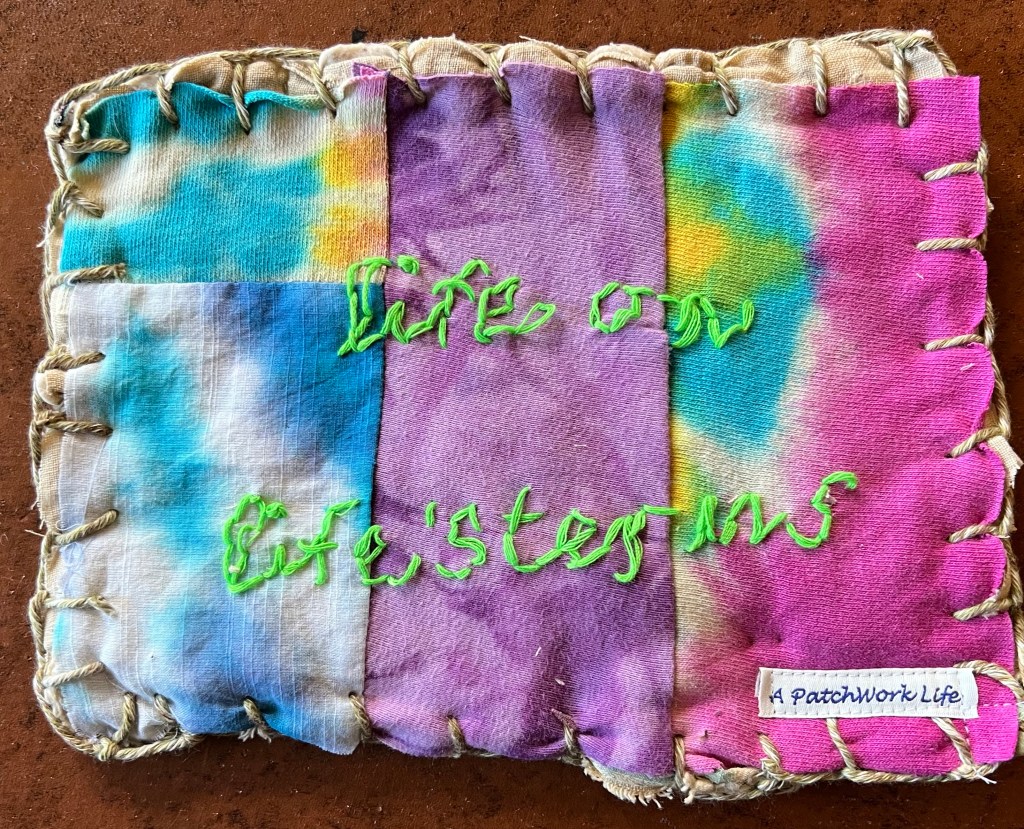
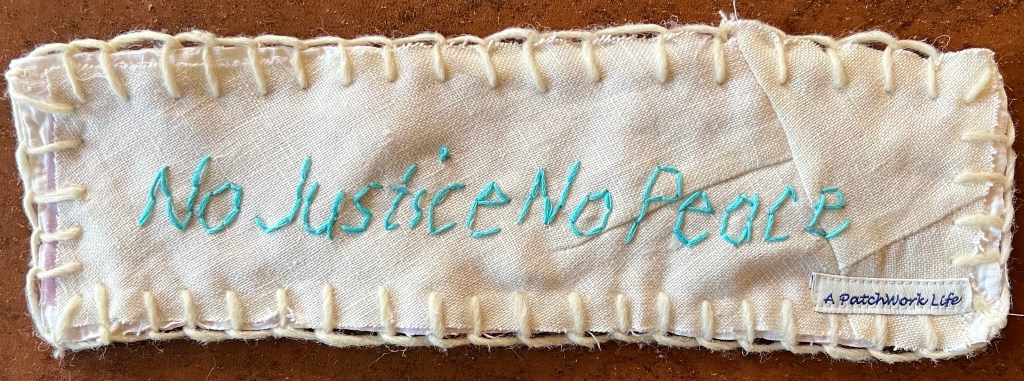
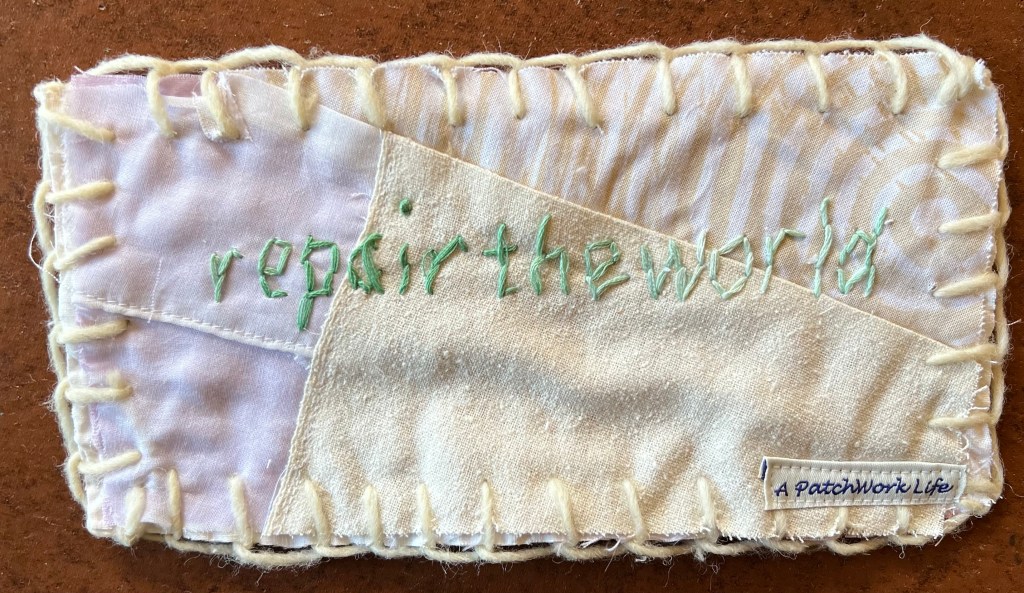
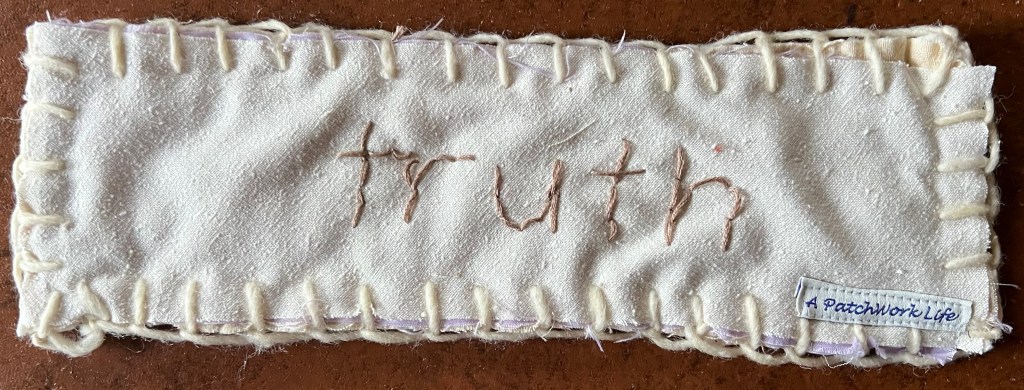
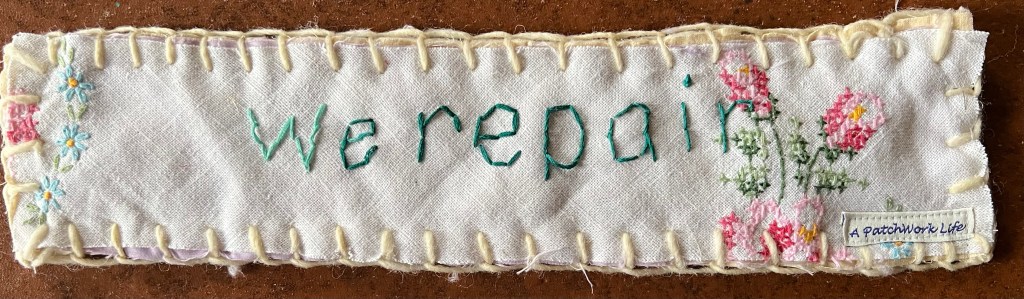
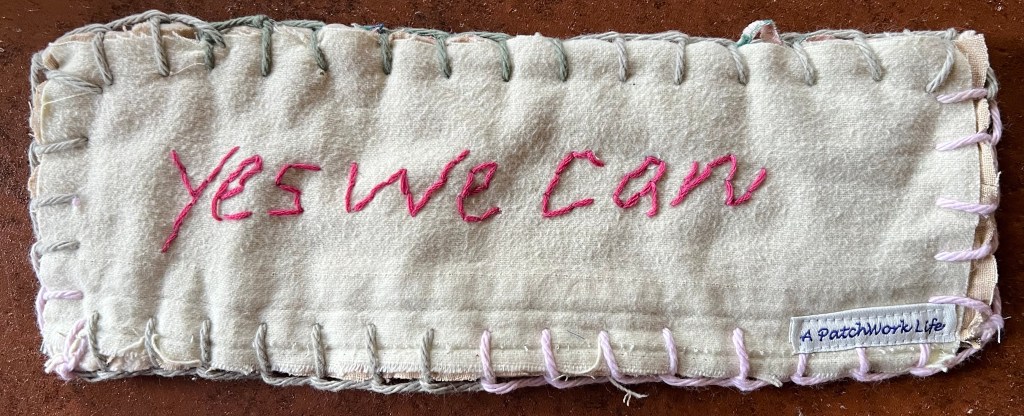
Under Layer:Materials: Crème colored linens, clothing, embroidery floss, yarn, old quilts. Technique: individually hand embroidered BubbeWisdoms or phrases of a contemporary version of Viddui prayer finished with buttonhole stitch. Add On Patches: Materials: Assorted remnants, embroidery floss, yarn, old quilts. Technique: Hand embroidered BubbeWisdoms finished with buttonhole stitch.
Beginning Friday, February 21st, we will UnMake The Witness Quilt by separating the patchworks, and dispersing them to individual owners. Come in and claim yours!
My cousin Gerrie Shapiro was recently featured on page 42 of Whirl Magazine. You may know her as a dog trainer and/or as an artist; for me, she is the keeper of our heritage.
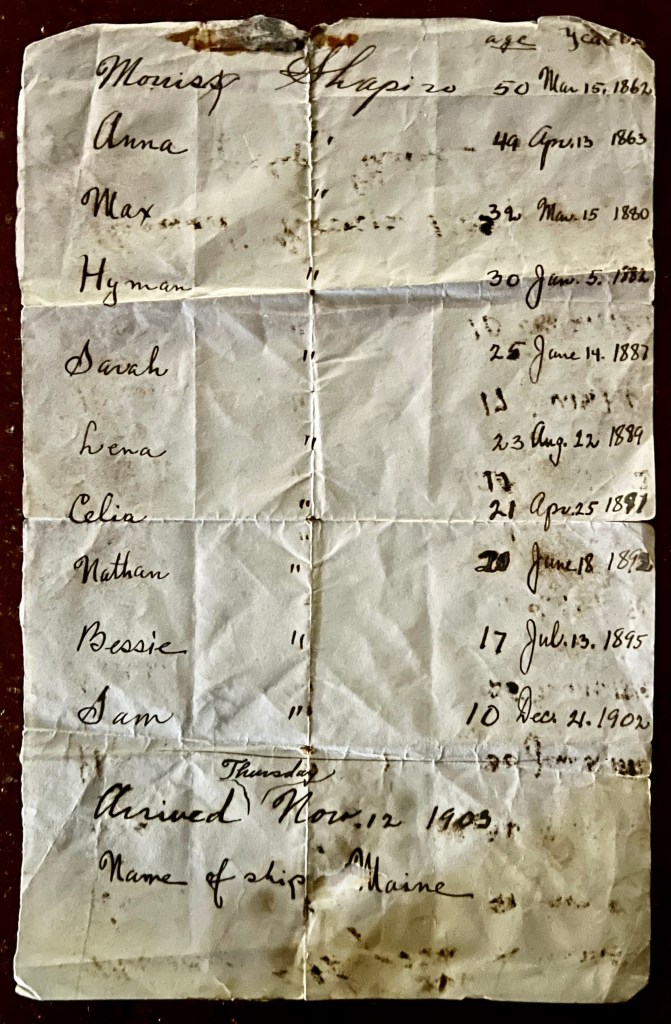
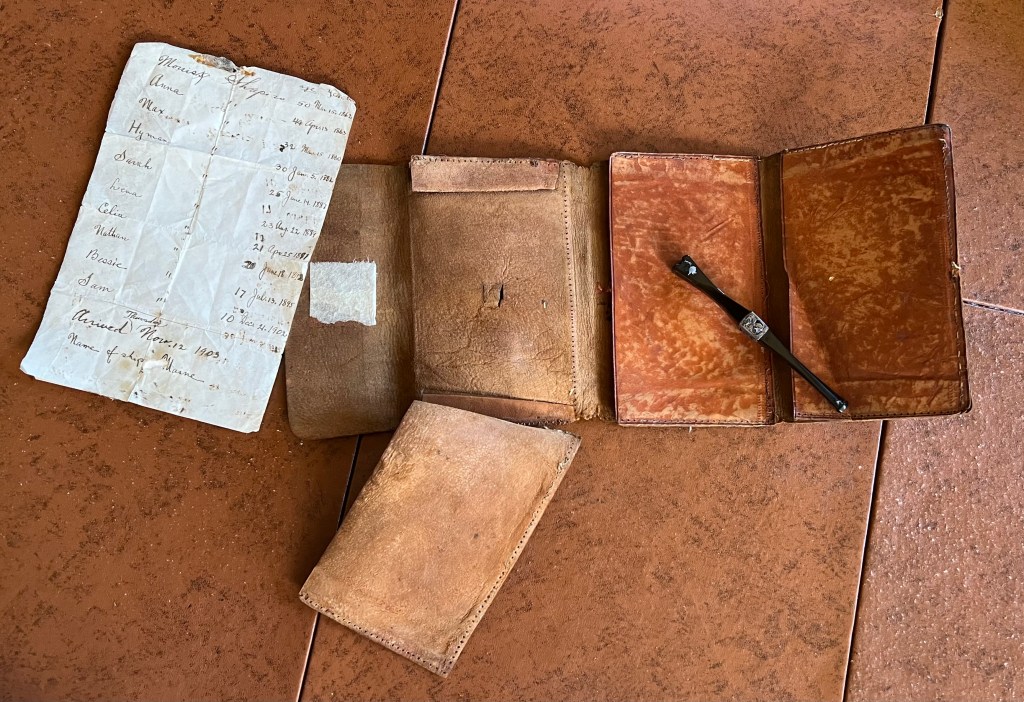
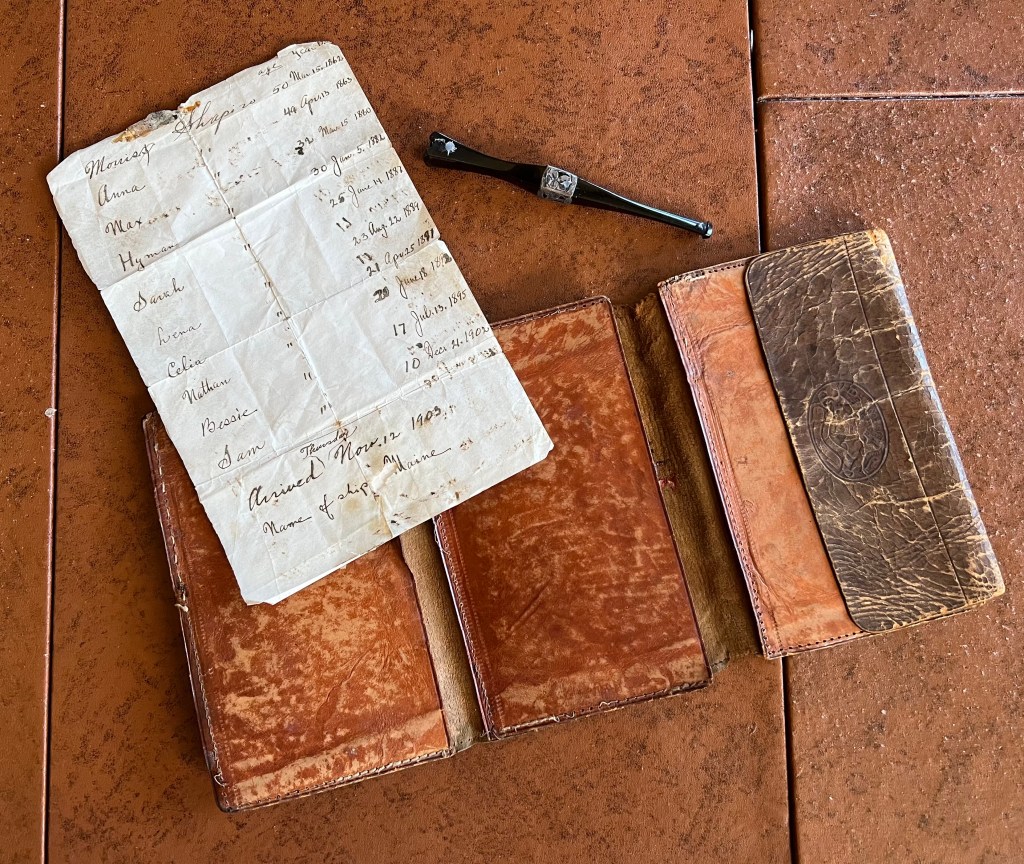
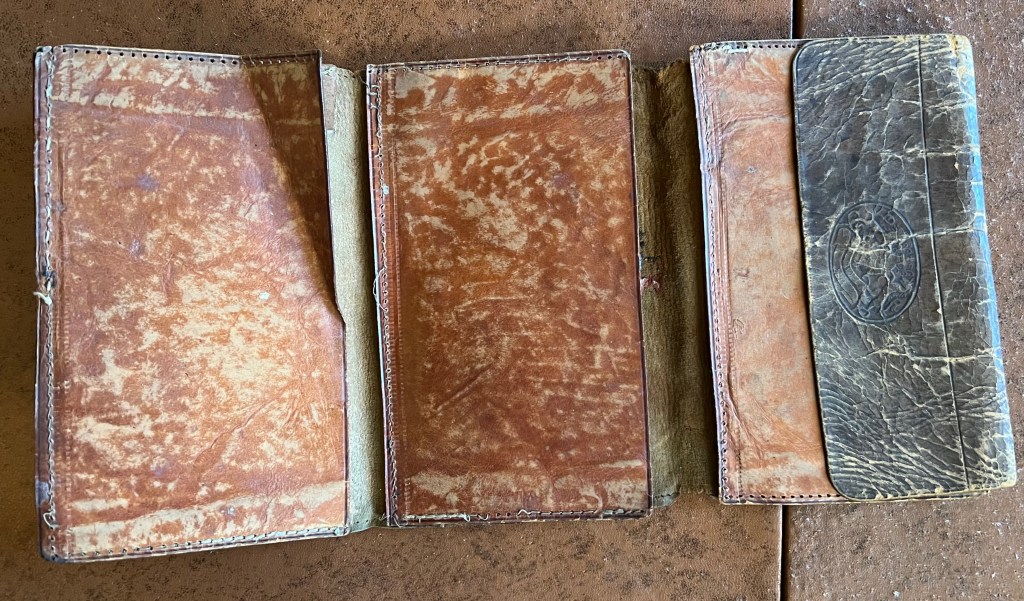
She had in her possession my great-grandfather’s wallet; now housed in the Jewish Archives Shapiro Brother Papers. Found in the wallet, was a paper written when he was fifty years old, that states the names and birthdates of each of his children. Gerrie’s and my grandfather is Hymen, born January 5th, 1882.
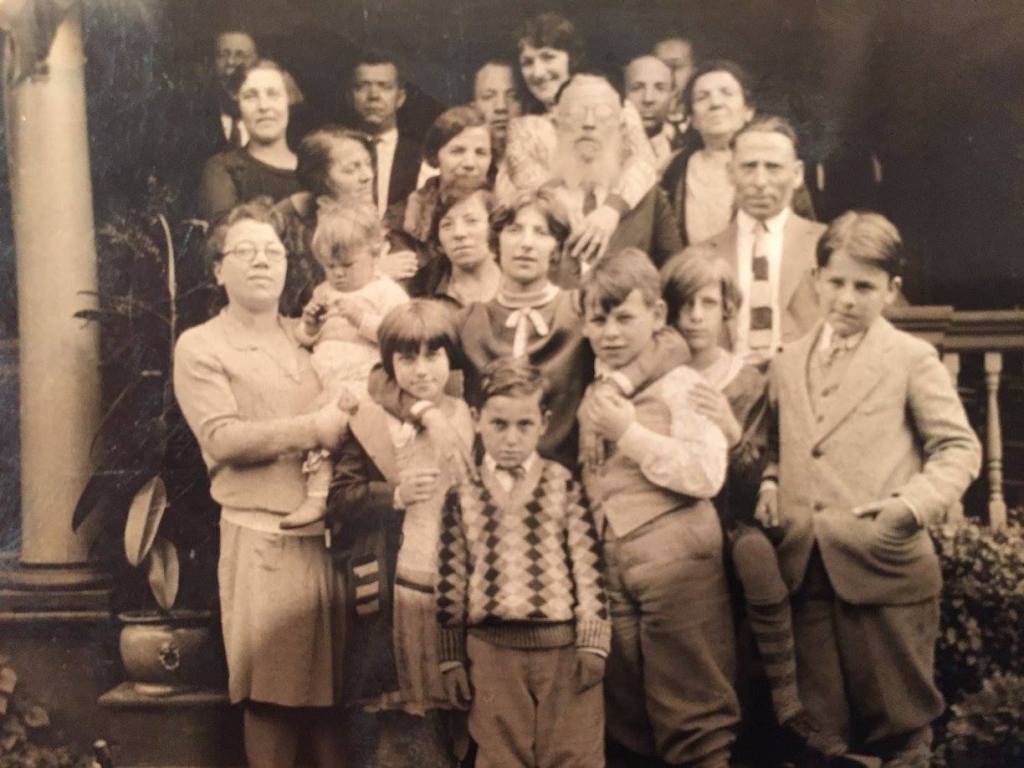
And to put a face to all of the names. Here they are all together:
Morris is the bearded patriarch near the top. My grandfather, Hymen, is to his right and my dad, Howard, is the one down front with a cousin’s arm around his neck. Gerrie’s father Jason is in the argyle sweater at the front.
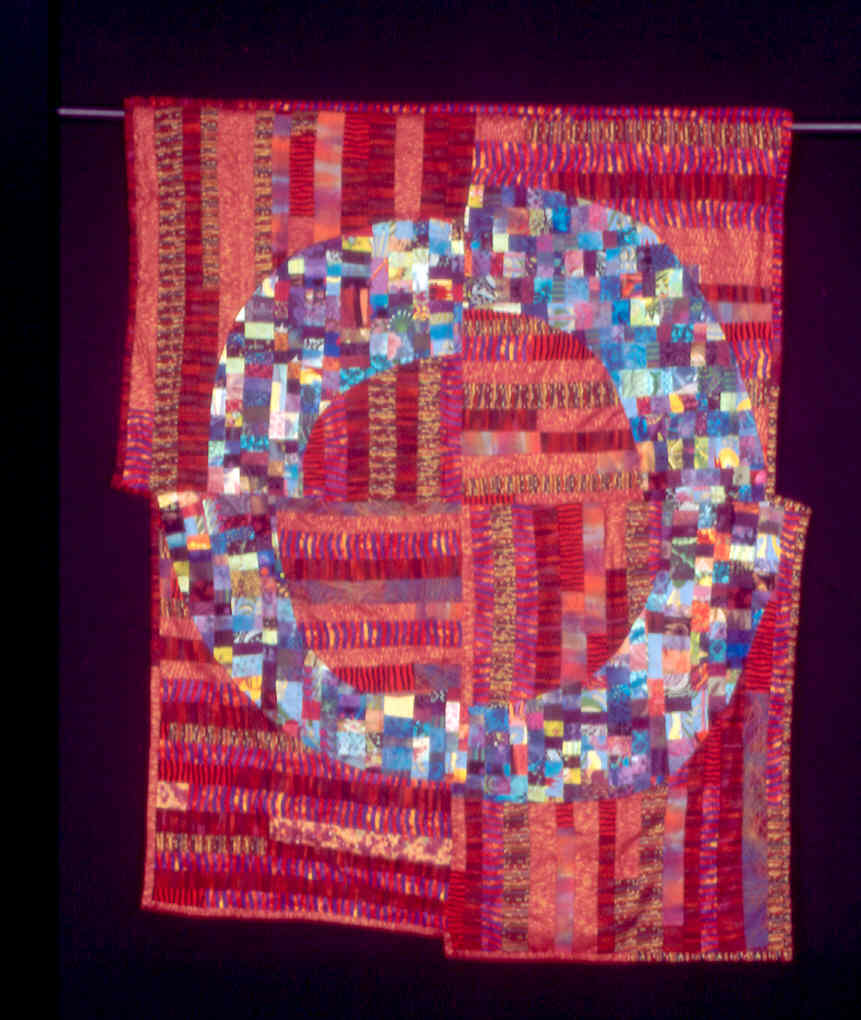
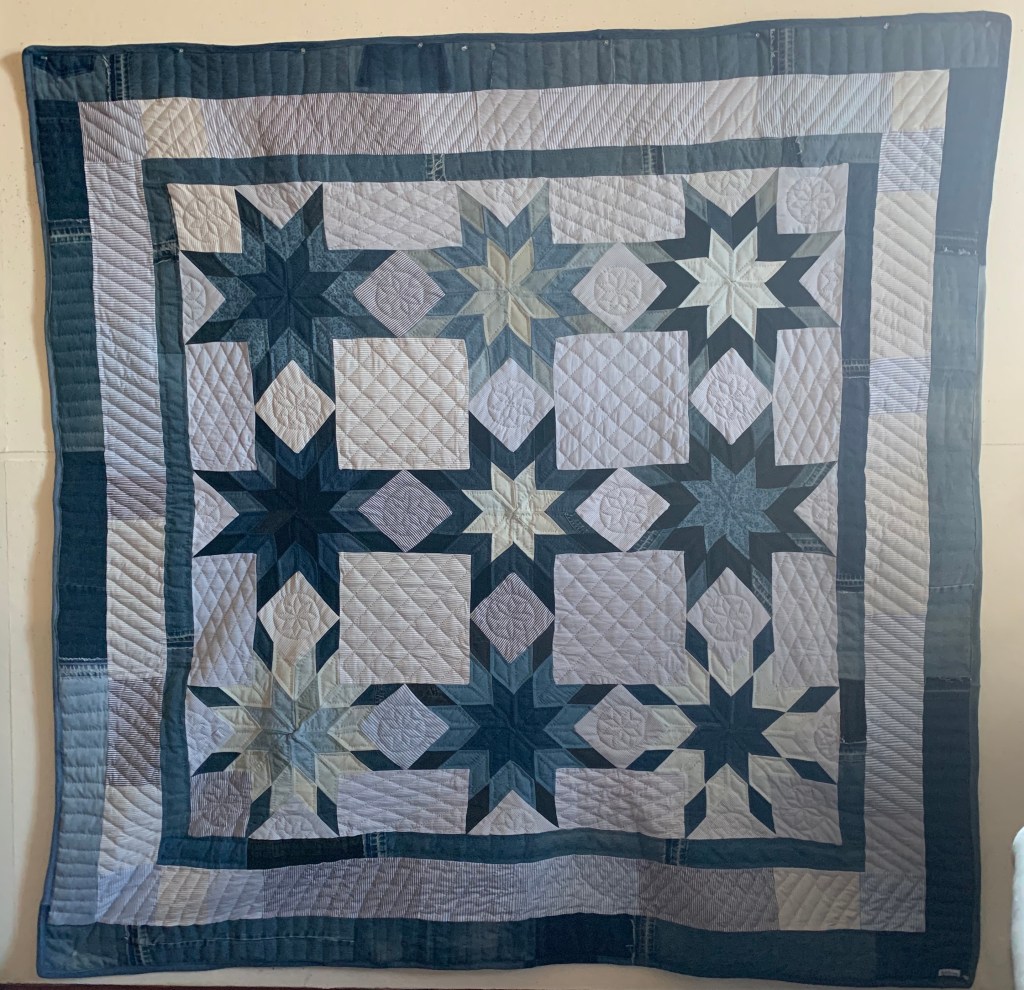
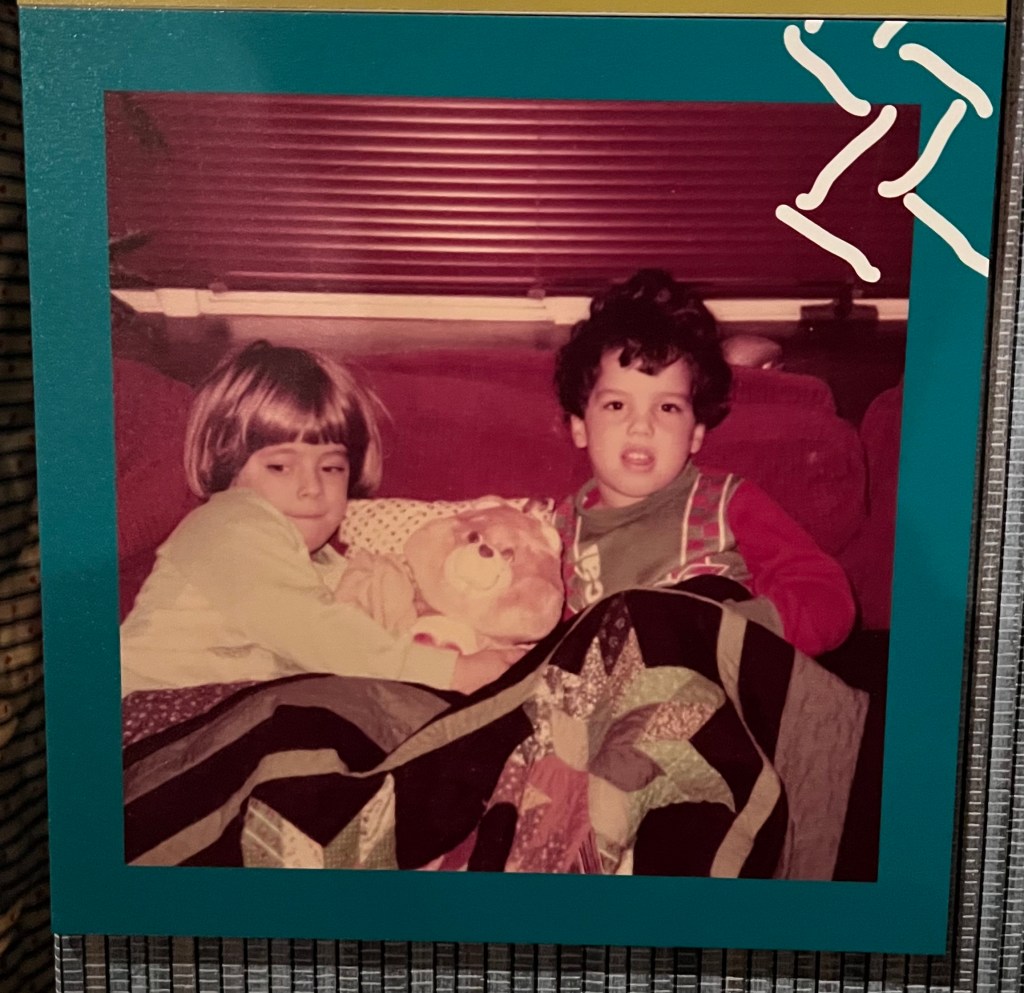
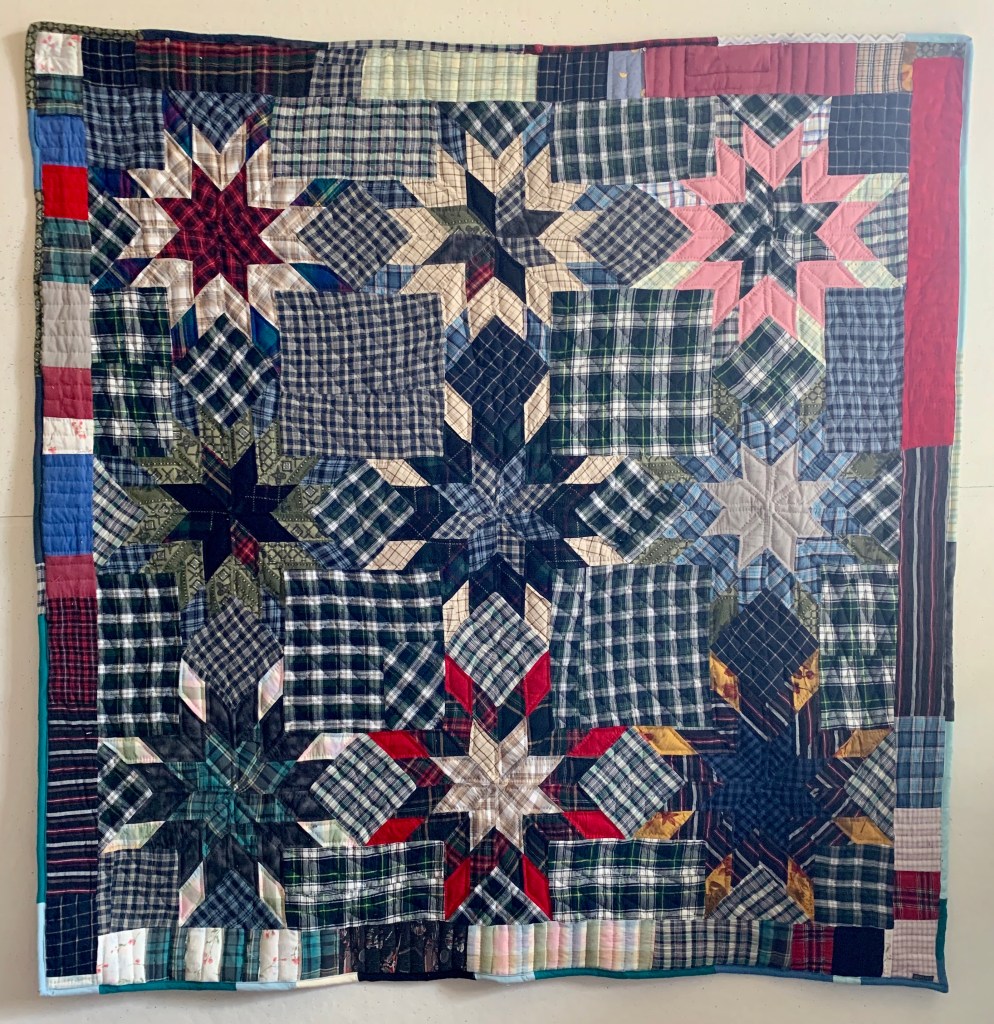
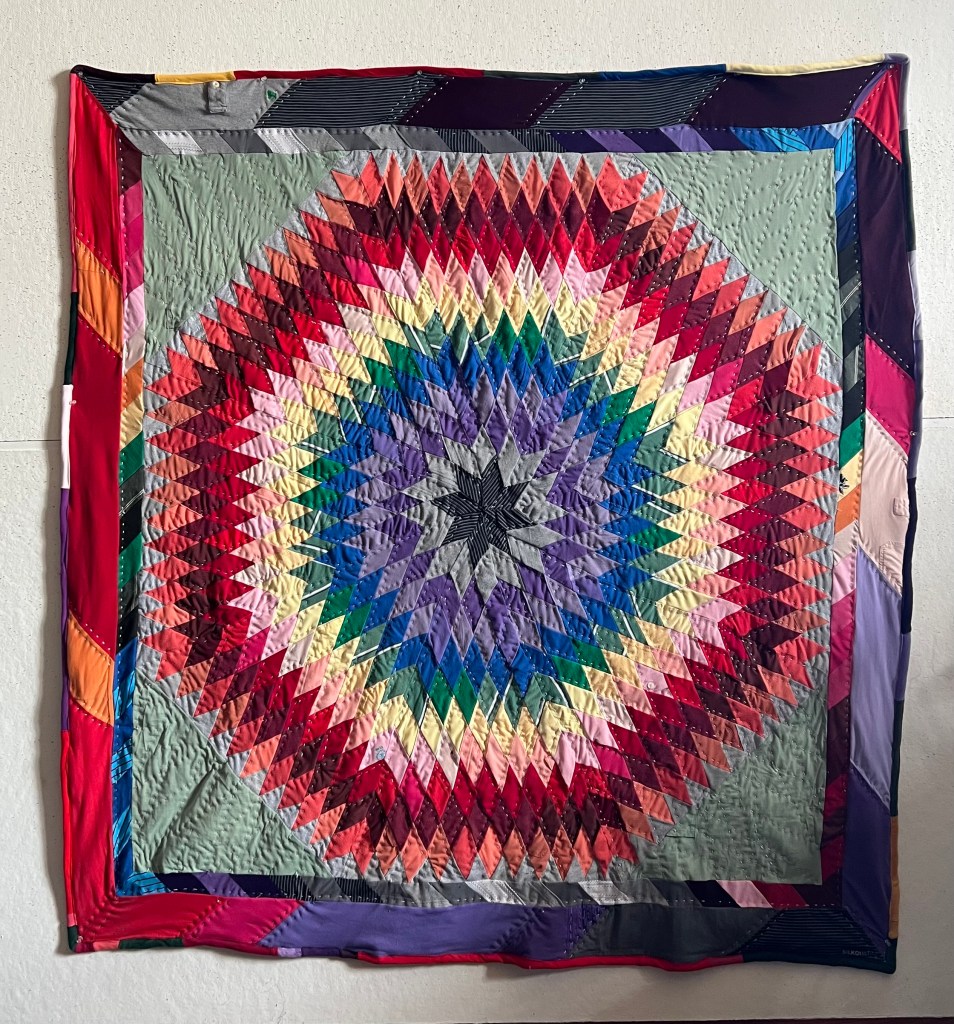
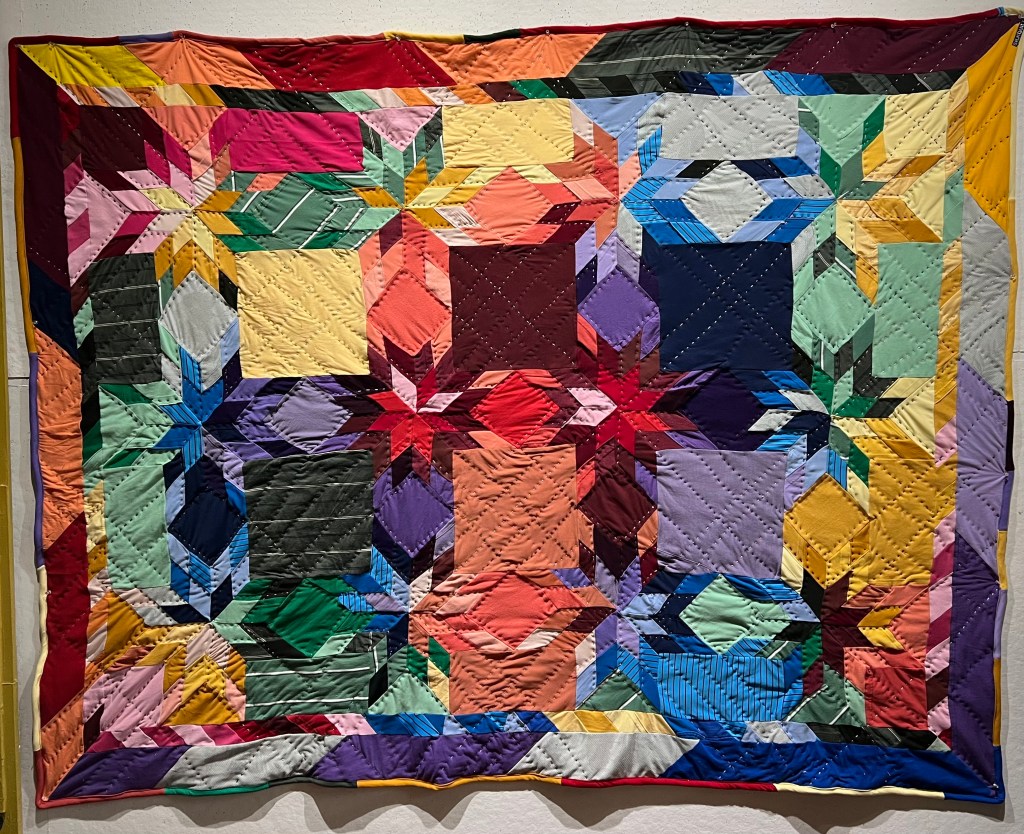
Relatives were here for the holidays and the quilt our niece choose to snuggle under was a SILKDENIM version of the classic 8-pointed stars made from men’s shirts and denim:
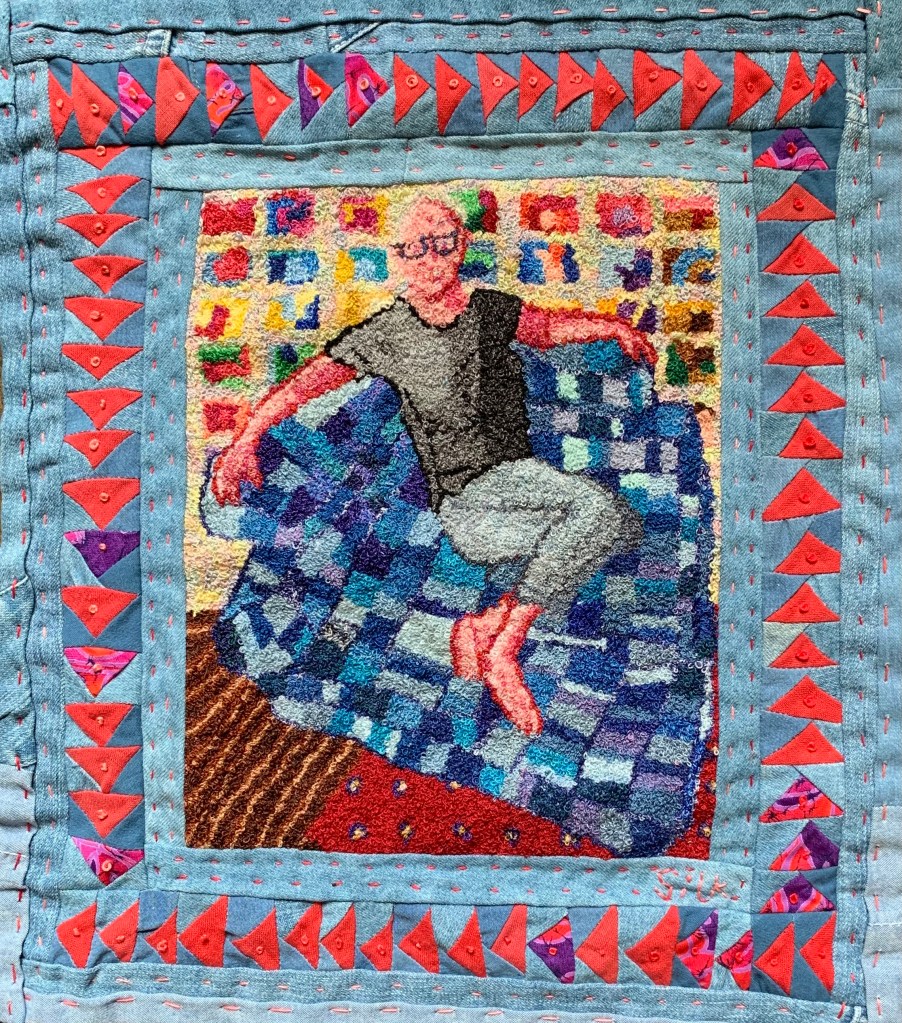
Like most people, I find it challenging to select and then view portraits of myself. In the past, whenever it is possible, I use one of my fiber portraits:
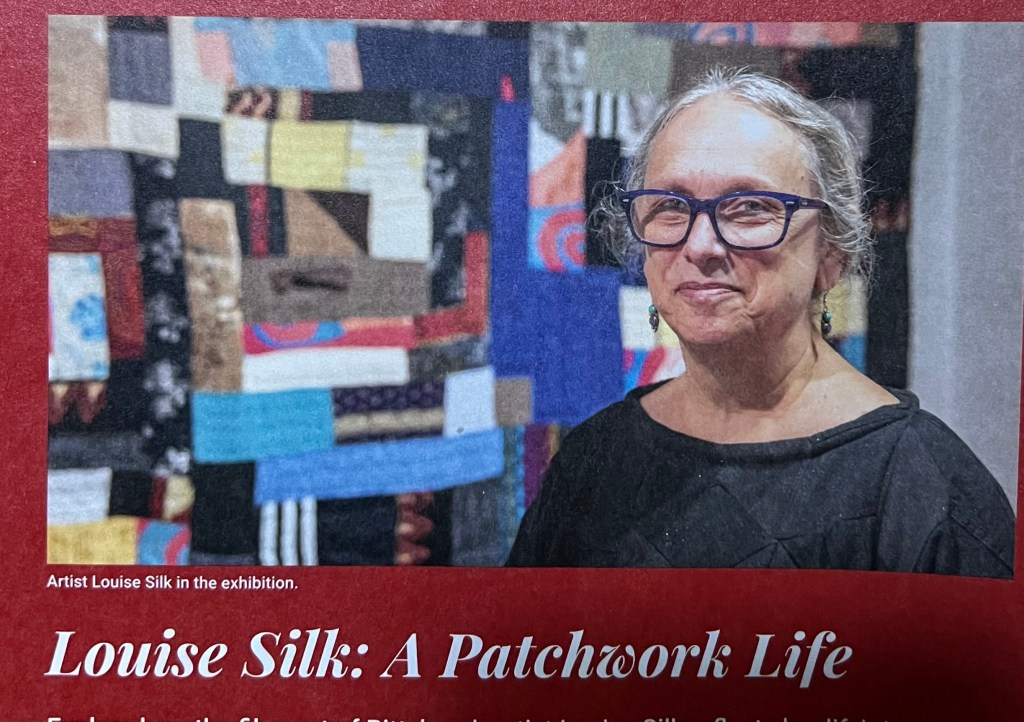
With the exhibition Louise Silk: A Patchwork Life, there have been lots of difficult decisions to be made in that regard. There was a portrait of me in the History’s recent newsletter:
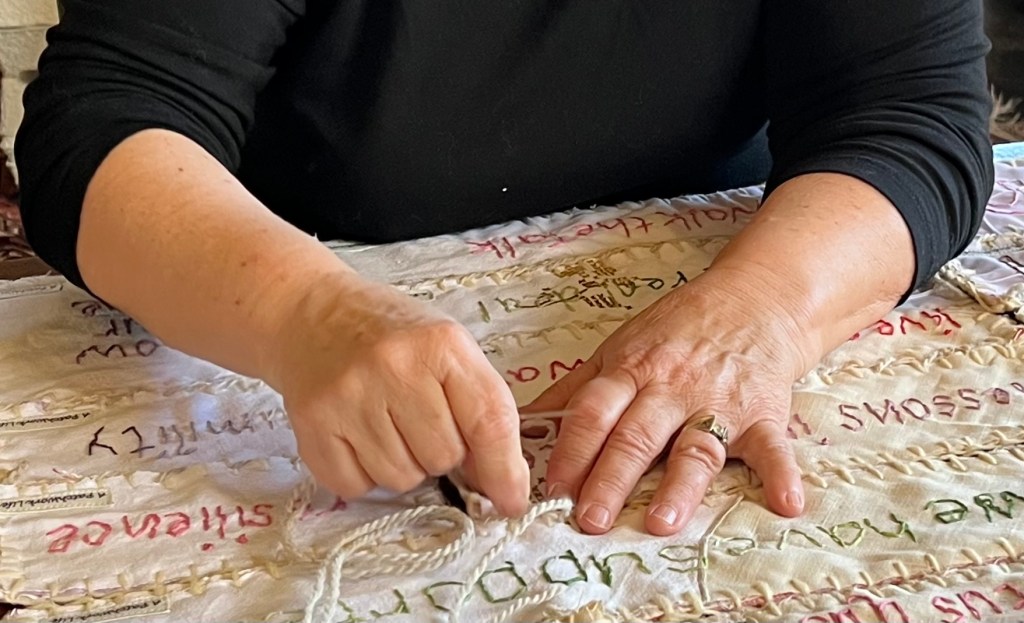
I guess it’s okay, but when I’m ninety, like Sheila Hicks, I will have earned the right to not have to use my face but instead the real star of the show, my hands!
Gut Yontif is our programming series celebrating the Jewish Holidays. The next installment of our Gut Yontif! series is Dec. 28 with a fiery Chanukah celebration from Rosabel Rosalind, then on Thursday, Feb. 13 with an intimate Tu B’shvat seder from Lydia Rosenberg, and finally on Wednesday, March 12 with an all-embracing Purim party from Olivia Devorah Tucker.
There is unrelenting tragedy in the air. We feel it deeply and personally, wondering about any hope of a healing resolution. It’s easy to project these sad negative feelings onto others.
In Jason Shulman’s Kabbalistic Healing we work with those projections and judgments by riding the wave of transference. The technique does not avoid the projections, instead we acknowledge and become fully conscious of how they exist within us.
Riding the wave, we let the projections become vivid and give them full attention until, inevitably, something shifts. We discover new information in the transference that helps us widen our view of these tragedies. Honoring the transference brings forth a sacred portal of deeper knowing and subsequent actions that support loving possibilities for healing.
From Vol. 5, No. 40, October 6, 2024, the RAUH JEWISH HISTORY PROGRAM & ARCHIVES NEWSLETTER:
Vidui, the spiritual center of the Yom Kippur liturgy, is a confessional prayer at the boundary of personal and communal responsibility. It is an alphabetical inventory of misdeeds, recited in the first-person plural: We have sinned. We have transgressed. We have stolen. It describes a brokenhearted world, desperate for atonement. These words have become so essential to Jewish spiritual life that they are the basis for last rites.
Louise Silk’s new work “The Witness Quilt” subverts this experience. It borrows its form from a kittel, the all-white garment traditionally worn during Yom Kippur. The all-white underlayer of the Witness Quilt is embroidered with a “positive vidui” created by Rabbi Avi Weiss: We have love. We have blessed. We have grown. This version is not intended to replace the traditional vidui but rather to supplement it. If confessing misdeeds is a way to acknowledge failings, then confessing good deeds is a way of setting a path forward.
This underlayer is current hidden beneath hundreds of Bubbe Wisdoms, folk sayings hand stitched onto recycled fabric. It will slowly become revealed next year, starting in mid-February, when the Witness Quilt begins to be dismantled.
Today, along with the first anniversary of October 7th, we observe The Fast of Gedaliah. This year, both occur during the Ten Days of Teshuvah between Rosh Hashanah and Yom Kippur. I used the occasion of this fast day, some twenty-four years ago to enact: Moving Through Loss: A Wise Woman Ritual.
This day advocates The Thirteen Attributes of Mercy whenever we need divine compassion.
Adonai is always merciful, even when (and we will) go astray.
El has power over nature and humankind, indicating that mercy surpasses everything.
.Compassionate/rahum is filled with loving sympathy for human frailty even in extreme temptation.
Gracious/v’hanun shows mercy by consoling the afflicted and raising up the oppressed.
Slow to anger/ereh apayim gives us time to reflect, improve, and repent.
Abundant in Kindness/v’rav hesed tips the scales of justice toward the good.
Truth/v’emet rewards those who stay true.
Preserver of kindness for thousands of generations/notzeir hesed la-alafim allows the deeds of the righteous to benefit less virtuous generations.
Forgiver of iniquity (nosei avon) always for forgiveness when the sinner repents.
Forgiver of willful sin/pesha allows even those who commit a sin with the malicious intent, the opportunity to repent.
– Forgiver of error/v’hata’ah forgives a sin committed out of carelessness, thoughtlessness, or apathy.
– Who cleanses/v’nakeh is merciful, gracious, and forgiving to those who repent.